

Selection Panel Members (Panel 1)
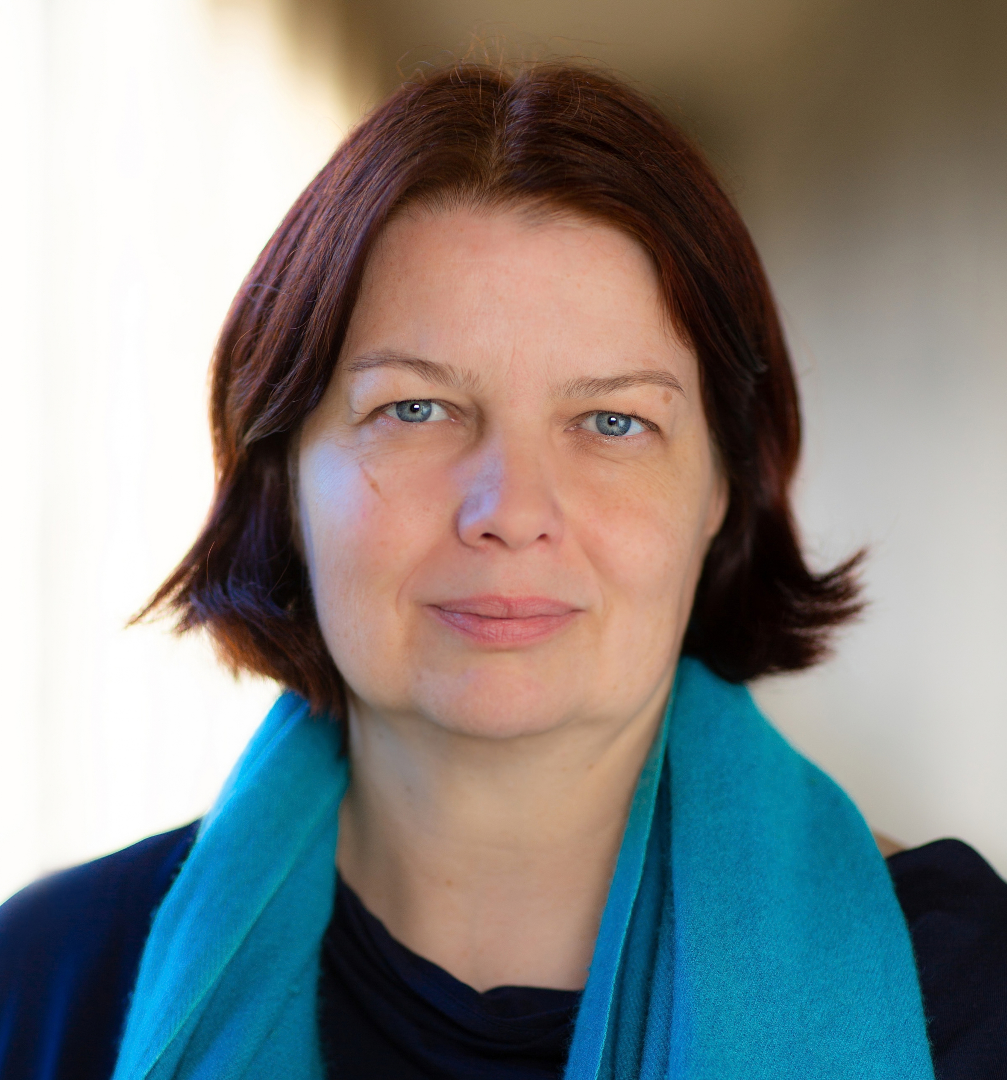
Dr Maxine Caws
Dr Maxine Caws
Dr Max Caws is a multidisciplinary global health researcher with broad experience in the Asian region, focused on tuberculosis. Her research spans the full spectrum of the END TB challenge, from pathogen genomics and immunology, clinical trials, diagnosis and drug resistance to social protection, stigma reduction, modelling and policy translation of complex community based interventions. She has been based in Kathmandu, Nepal with the Birat Nepal Medical Trust (BNMT; https://bnmtnepal.org.np/) for a decade, and is a senior TB researcher at Liverpool School of Tropical Medicine, UK. Previously, she was Head of TB research at the University of Oxford Clinical Research Unit in Vietnam (OUCRU-Vietnam) for ten years.
Her other research includes leprosy, health systems strengthening, implementing drones for medical transport in rural Nepal, COVID-19, menstrual hygiene, and disaster response. She holds a PhD from King’s College London, an MSc in epidemiology from London School of Hygiene and Tropical Medicine and a BSc degree in Biochemistry from the University of St Andrews, UK. She has published over 100 academic papers including high impact articles in Nature Genetics, Cell, Genome Medicine and Lancet Infectious Diseases and sits on international grant review panels, national advisory boards and clinical trial data safety monitoring boards.
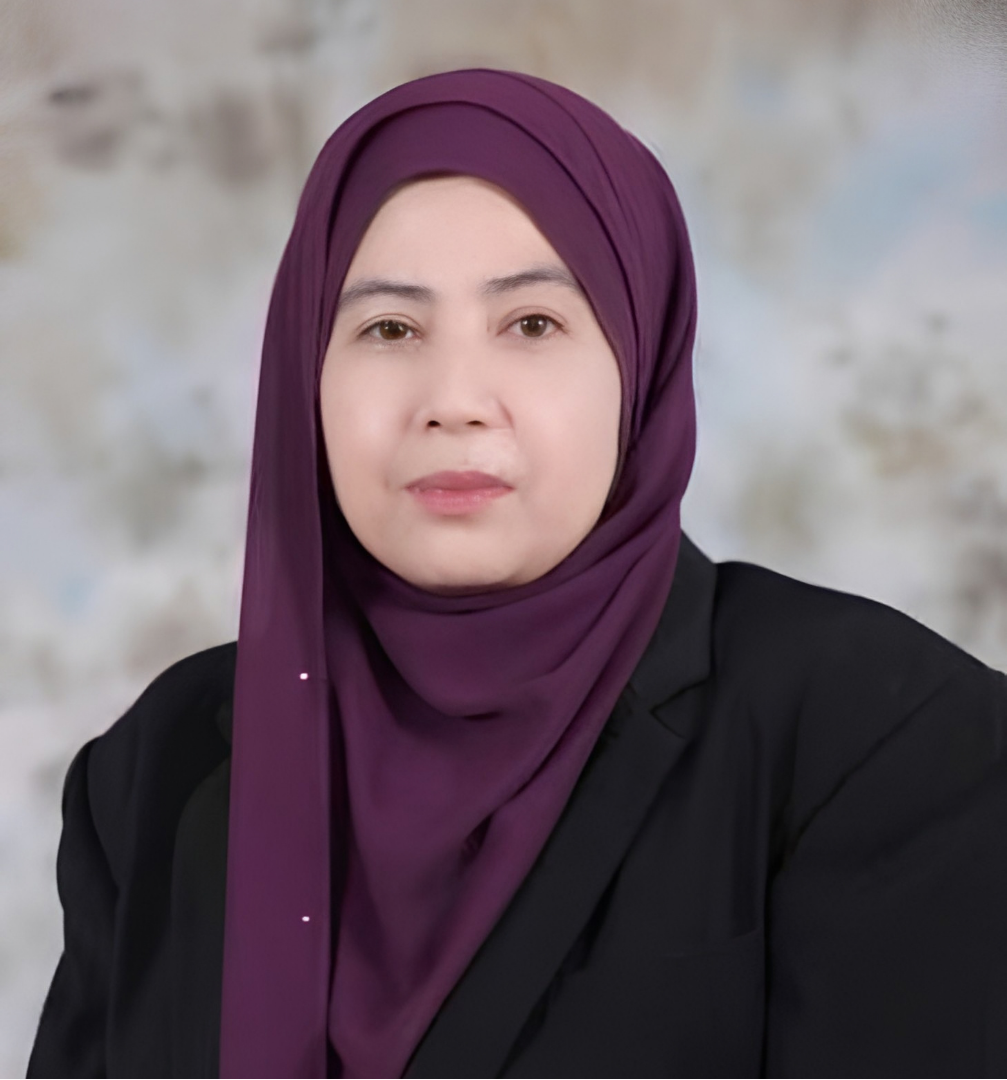
Prof Juliana Jalaludin
Prof Juliana Jalaludin
Prof Juliana Jalaludin is a Professor of Environmental Health at Universiti Putra Malaysia (UPM). She previously served as the Head of the Environmental and Occupational Health Department at UPM (2016–2020) and currently leads the Research Team for Air Quality and Health Impact.
She is a senior researcher and consultant specialising in air quality monitoring and health impacts, with strong expertise in environmental and occupational exposure assessment. Her research focuses on urban and traffic-related air pollution, industrial exposure, transboundary air pollution, and exposure assessment. She has led numerous national and international research grants and has served as a consultant for various governmental and private sector projects.
Prof. Juliana is a principal consultant for the National Clean Air Action Plan (NCAAP) “Clean Air, Blue Skies” under the Department of Environment (DOE) Malaysia and has been actively involved in revising the Malaysia Air Pollution Index (MAPI) as part of a national consultancy team. With over 28 years of experience, she has received numerous honours and awards in recognition of her impactful contributions to air quality research.
Her extensive expertise has led to key appointments, including serving as an Environmental Health Expert Panel member for the National Environmental Health Action Plan and as part of Thematic Working Group TW1 (Air Quality). She is an Advisor to the Malaysian Clean Air Society (MyCAS) and previously served as its Deputy President (2018–2025). She is currently a Board Member of the Asian Aerosol Research Assembly (AARA).
Prof. Juliana serves as an Editorial Advisory Board Member for the International Journal of Environmental Health Research and as a Guest Editorial Board Member for Environmental Science. She is also a Guest and Lead Editor for Aerosol and Air Quality Research (AAQR), Aerosol Science & Technology, and the Asian Journal of Atmospheric Environment (AJAE). Her academic contributions are extensive, comprising over 600 publications, including peer-reviewed journal articles, conference proceedings, books, and newspaper articles.
In addition, she is an assessor for research grants from the Ministry of Higher Education Malaysia, MOSTI, the Qatar National Research Fund, and the Kuwait National Grant. She also provides consultancy services to international public and private sector organisations. She currently serves as the Director of the Summer Crash Course at UPM, and is actively involved in organising international conferences and training programmes. At the international level, Prof. Juliana is an Ambassador for Green Hands Kuwait on Environmental Sustainability and an International Expert Advisor for the Global Air Quality Standard (GO AQS). She is also an International Committee Member of the World Clean Air Congress (WCAC), an International Advisor for the Asian Aerosol Conference 2025, and Co-Chairperson and Head of the Scientific Committee for the Asian Aerosol Conference 2024 (AAC 2024). In addition, she serves as Deputy Chairperson for the Theory and Technique Conference and International Aerosol Conference 2025, and previously contributed to the Better Air Quality Conference (BAQ 2018).
She has extensive leadership and management experience in environmental air quality monitoring, assessment, and health impact research. She has successfully led multidisciplinary teams addressing the intersection of environmental exposures and human health, with a strong emphasis on translating scientific evidence action plan. Prof Juliana has played a pivotal role in organising major international scientific conferences. Notably, as Co-Chair and Head of the Scientific Committee for CEM Asia 2026, The Asian Aerosol Conference 2024 and the Better Air Quality Conference 2018, she oversaw programme development, speaker coordination, and abstract management. With more than 1000 international participants, her leadership was instrumental in delivering high-impact conferences that generated lasting scientific insights and fostered strong international collaborations. As a former Head of Department, she has demonstrated strong strategic and administrative capabilities, fostering collaborations across universities, research institutions, and government agencies. Furthermore, she serves as an International Advisory member for the Global Commission on Indoor Air Quality (WELL International Institute). She is also a voting member of the Chartered Institute of Environmental Health (CIEH), United Kingdom, and a member of the International Society of Indoor Air Quality and Climate (ISIAQ).
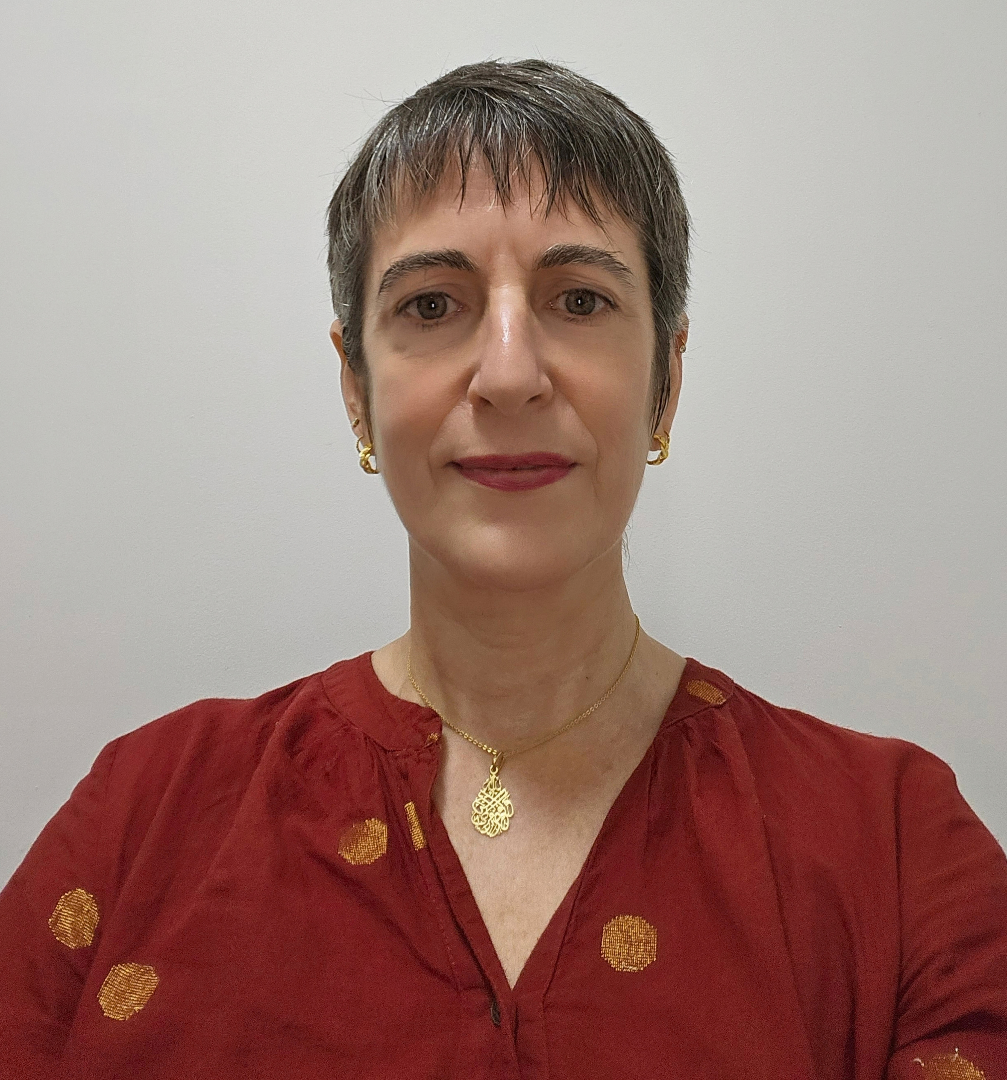
Assoc Prof Dr Natasha Howard
Singapore
Assoc Prof Dr Natasha Howard
Associate Professor Natasha Howard is an interdisciplinary global health researcher at the Saw Swee Hock School of Public Health, National University of Singapore. Her work draws on public health social sciences approaches to examine health systems, governance, equity, and health determinants, particularly in Asia. She has extensive experience in mixed-methods and qualitative research, including research with marginalised and crisis-affected populations, and in translating evidence into policy and practice. Her research and teaching span health policy and systems, infectious disease control, forced migrant/refugee health, and One Health governance. She has worked collaboratively with academic, governmental, multilateral, and civil-society partners. As a reviewer, she brings particular interest in interdisciplinary, policy-relevant research that is methodologically rigorous, ethically grounded, contextually informed, and attentive to questions of equity, feasibility, and likely impact.
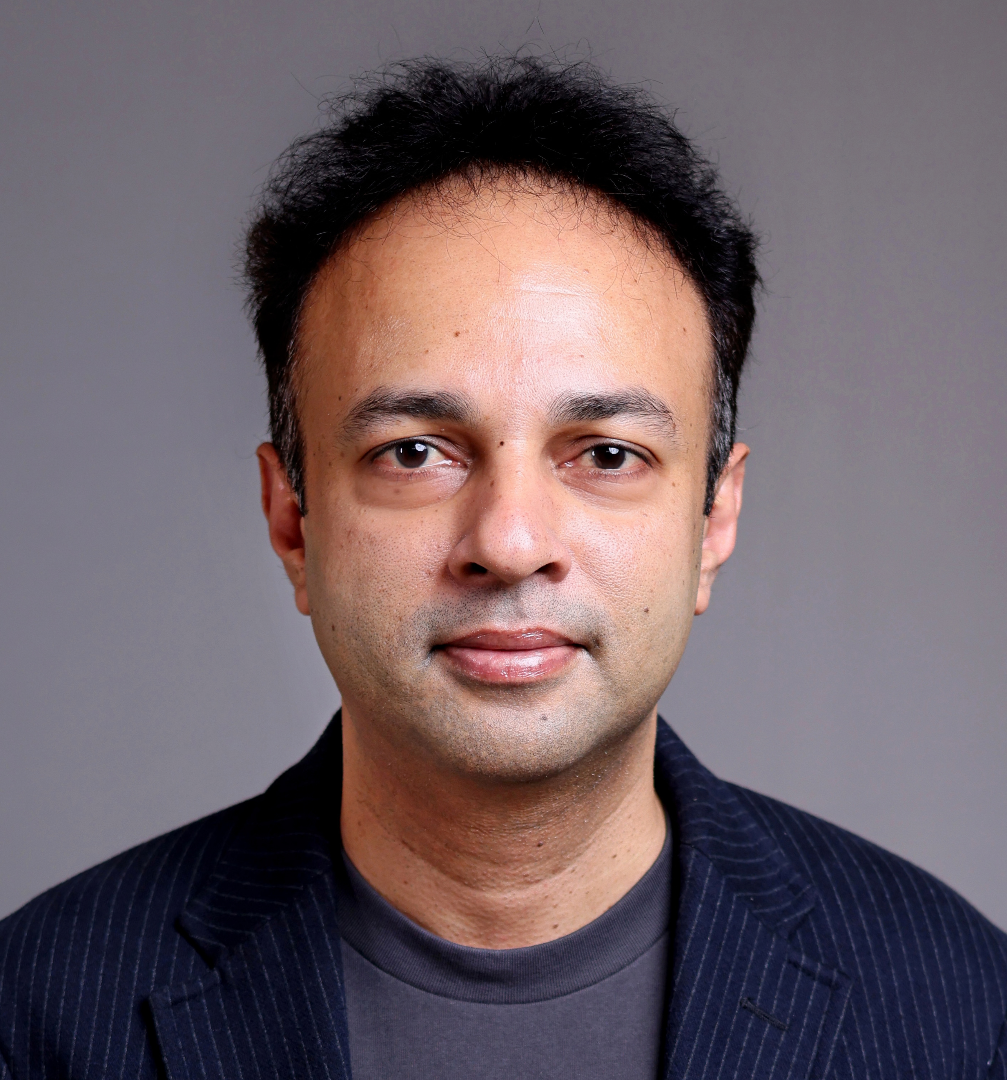
Dr Roxy Mathew Koll
Dr Roxy Mathew Koll
Dr Roxy Mathew Koll is a climate scientist at the Indian Institute of Tropical Meteorology in Pune, India, and leads the WMO-WHO Climate-Health Desk for South Asia. His research examines how warming across the Indo-Pacific is reshaping monsoons, extreme rainfall, heatwaves, and climate-sensitive health risks. He leads interdisciplinary work on climate-informed dengue prediction and heat-health early warning, connecting climate science with public-health decisions. Dr Koll is a Lead Author for the IPCC Seventh Assessment Report and former chair of the CLIVAR/IOC-GOOS Indian Ocean Region Panel. His honors include the National Science Award from the President of India, the American Geophysical Union (AGU) Fellowship and Devendra Lal Medal, and the 2026 AGU Climate Communications Prize. He works with regional and global partners to strengthen climate services, research capacity and evidence-based adaptation across South Asia.
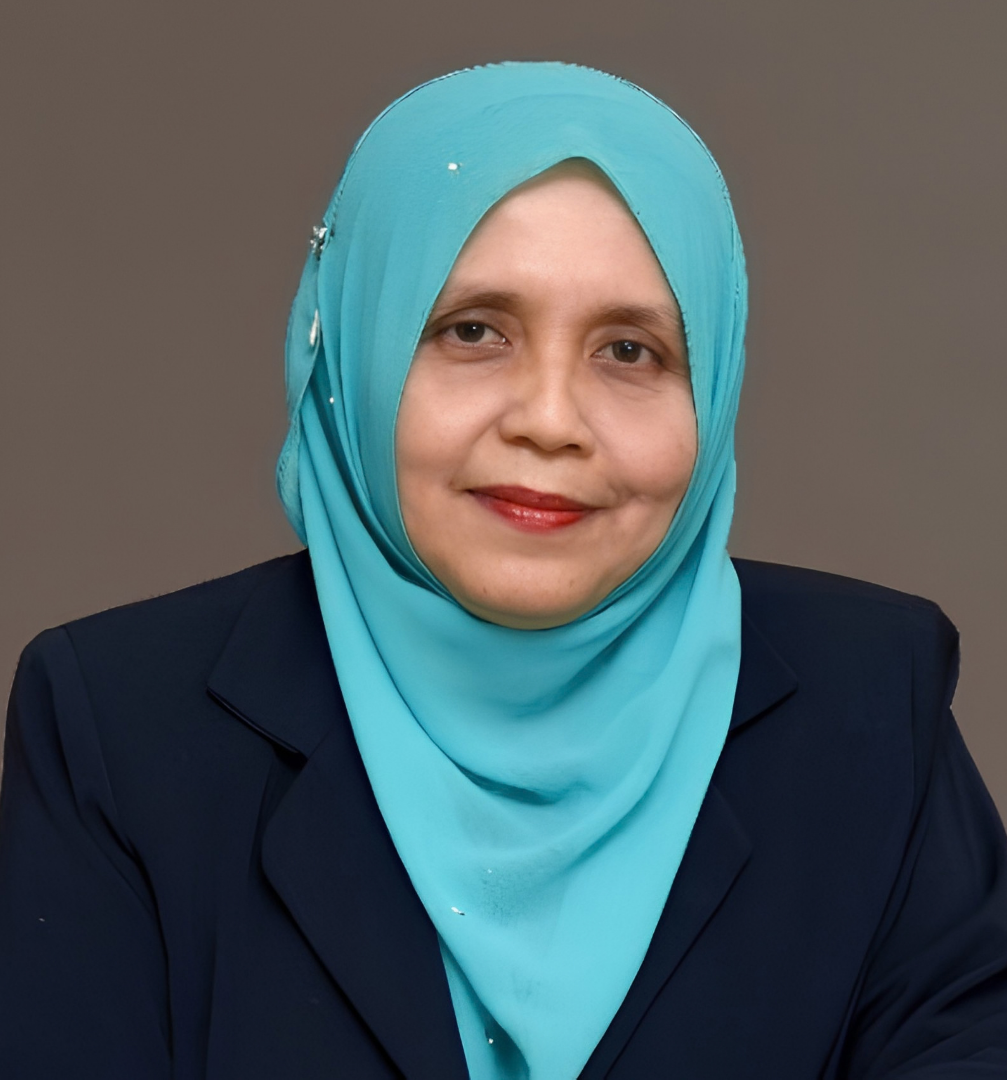
Prof Dr Rozita binti Hod
Prof Dr Rozita binti Hod
Prof. Dr. Rozita Hod is a Public Health Physician and Professor of Environmental Health at the Department of Public Health Medicine, Faculty of Medicine, Universiti Kebangsaan Malaysia (UKM). Her expertise focuses on environmental health, climate change impacts on human health, and vector-borne disease dynamics. She has extensive experience leading multidisciplinary research projects, advising national public health initiatives, and evaluating scientific proposals and postgraduate theses. Prof. Dr. Rozita has authored numerous peer-reviewed publications and book chapters on environmental health risks, heatwaves, and air pollution. She regularly serves as an expert reviewer and international speaker on climate-resilient healthcare systems and planetary health.
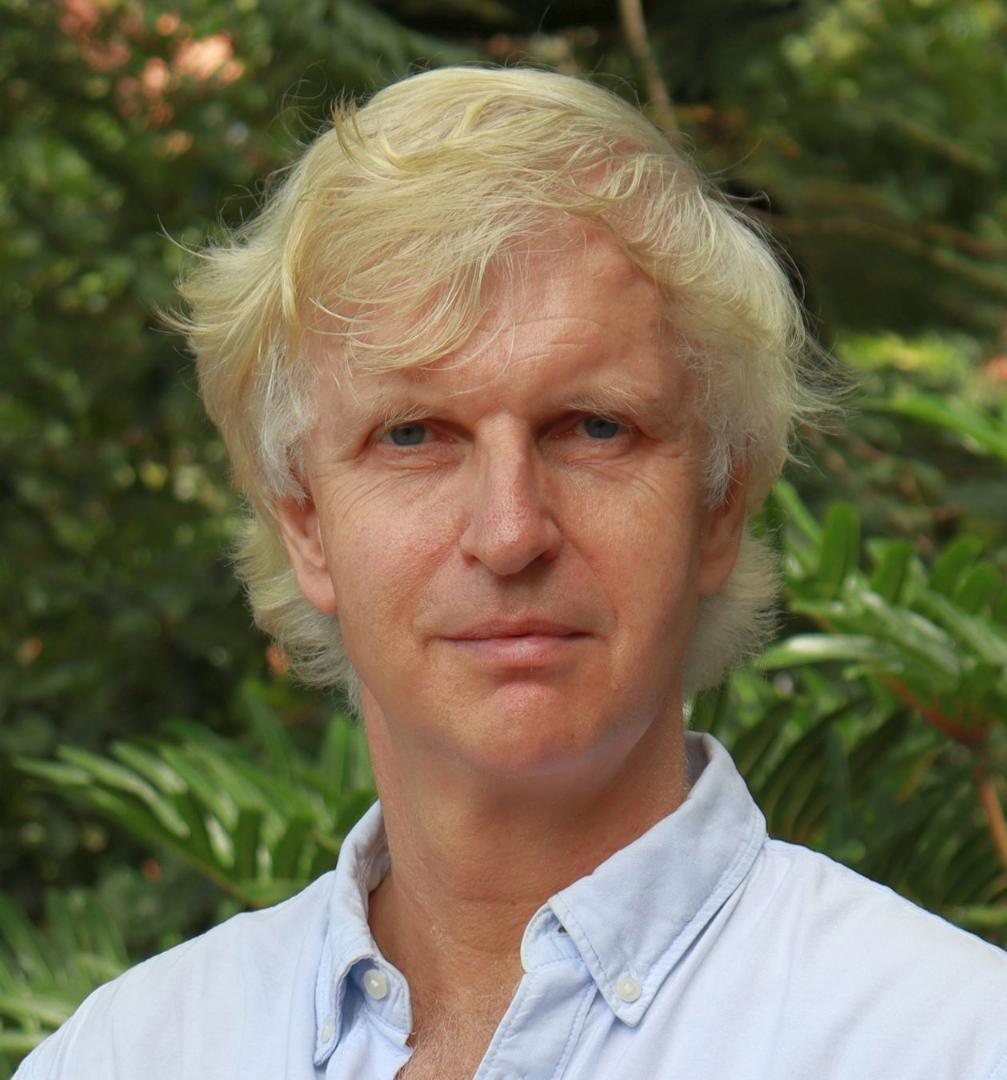
Dr Neal Alexander
Dr Neal Alexander
Neal Alexander has more than 30 years of experience in infectious and vector-borne diseases, including dengue, malaria, lymphatic filariasis, Zika, COVID and leishmaniasis. He is Professor of Medical Statistics and Epidemiology at the London School of Hygiene and Tropical Medicine, and researcher at CIDEIM in Cali, Colombia, where is based. He previously lived and worked in Papua New Guinea and Nigeria. His PhD, on the epidemiology of lymphatic filariasis, is from the University of Cambridge. He has been a collaborator and co-investigator on projects in Cambodia, Malaysia, Thailand and Vietnam. He was previously a member of the WHO Vector Control Advisory Group (VCAG) and a member of the WHO Technical Advisory Group on Dengue Vaccines in Late Stage Development. He has co-authored more than more than 250 peer-reviewed articles, on disease-specific and methodological topics. Of particular interest are cluster randomised trials of interventions against vector-borne diseases.
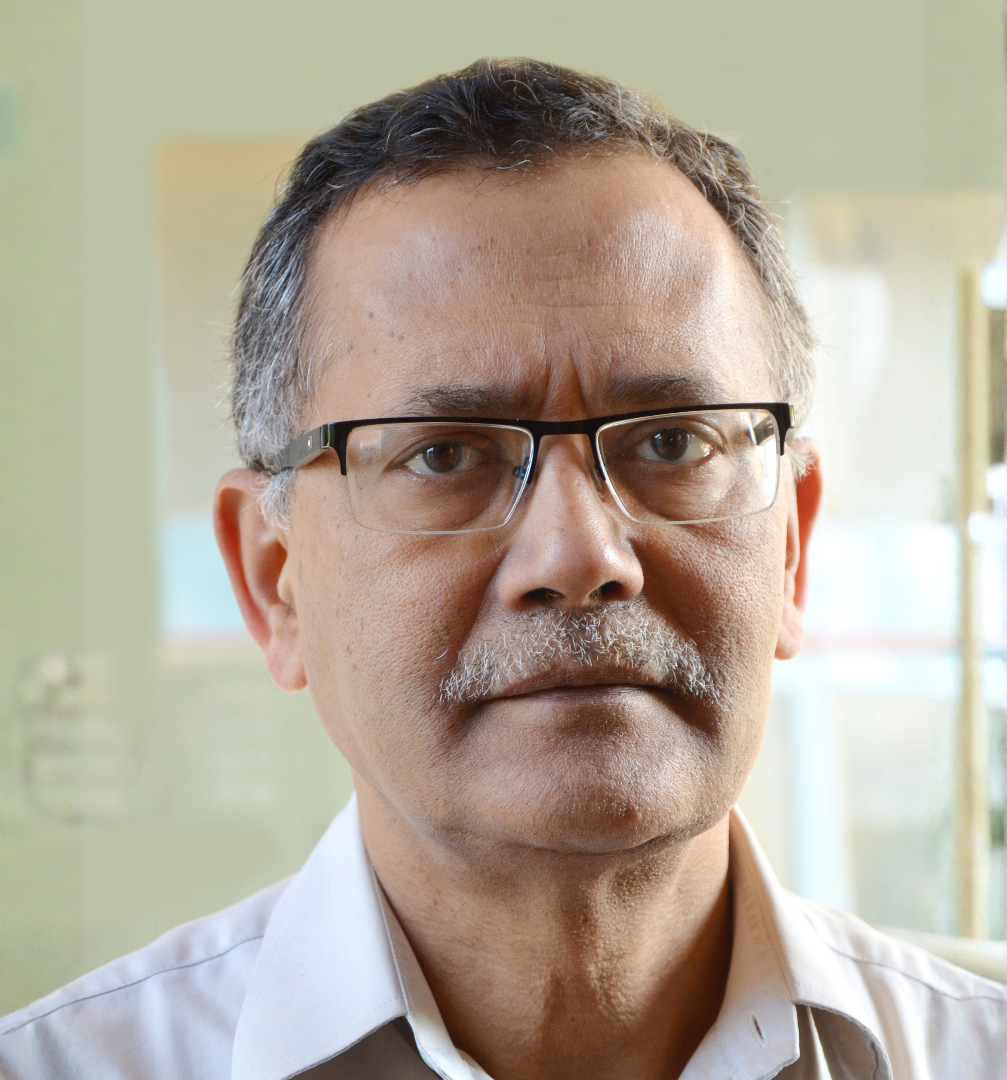
Dr Arunaloke Chakrabarti
Dr Arunaloke Chakrabarti
He is the Past-Presidents of International Society for Human and Animal Mycology (ISHAM), Indian Society of Medical Mycologists (ISMM), Indian Association of Medical Microbiologists (IAMM). At present, he is working as the Director of Doodhadhari Burfani Hospital and Research Institute, Haridwar, India. He worked at Postgraduate Institute of Medical Education and Research, Chandigarh, India for nearly 40 years. While working in medical mycology at that Institute, he developed his center as the ‘National Advanced Centre in Medical Mycology’, ‘WHO Collaborating Center for Reference and Research on Fungi of Medical Importance’, ‘National Culture Collection of Pathogenic Fungi’. He worked as mentor for development of several mycology laboratories in Southeast Asian region. He is also the coordinator of ‘Antifungal resistance surveillance network’ under WHO, member of ‘WHO Antifungal Expert Group on Identifying R&D Priorities’ and ‘WHO Strategic and Technical Advisory Group for Antimicrobial Resistance (STAG-AMR)’, the Chair of Fungal Infection Study Forum, India. He has published 578 papers in the field of Medical Mycology and edited two books. His h-index is 105 (google scholar), 82 (scopus). His major contribution is in the field of epidemiology, management, and control of fungal sinusitis, mucormycosis, and hospital acquired fungal infections. He received multiple awards from National and International Societies, Academies of India and abroad, and was awarded the Fellow of National Academy of Medical Sciences (FAMS), Fellow of The National Academy of Sciences, India (FNASc), Fellow of European Confederation of Medical Mycology (FECMM), and Fellow Infectious Disease Society of America (FIDSA).
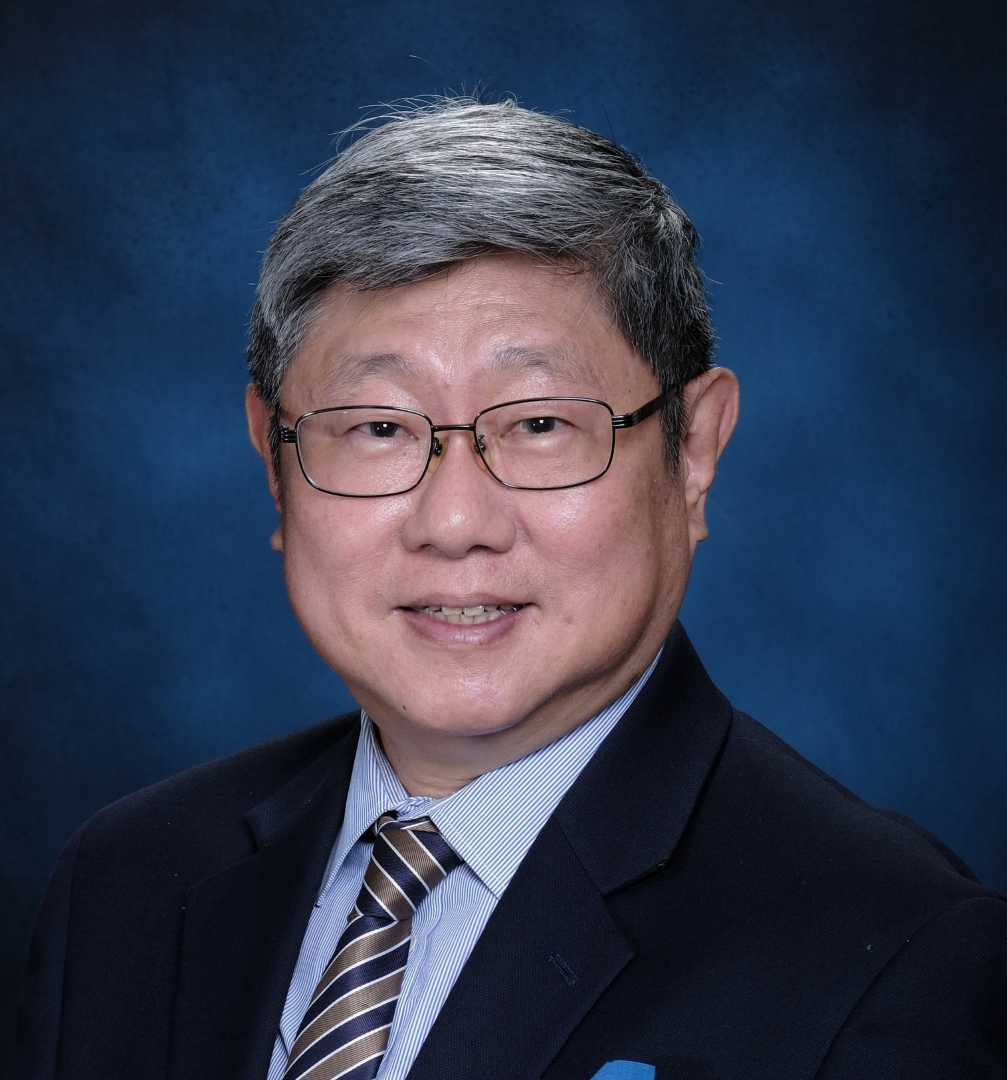
Dr Kenneth Hartigan-Go
Dr Kenneth Hartigan-Go
Dr. Kenneth Hartigan- Go is a Senior Research Fellow of the Ateneo Policy Center under the Ateneo School of Government and faculty of the Ateneo Graduate School of Business. His specialized interests are in the areas of health governance & security. For the last 6 years he has been an honorary affiliate of the NUS Saw Swee Hock School of Public Health. He sits in several corporate & non-profit boards. Recently appointed as member of the Advisory Group of the Phil. National Police Directorate for Education and Training. He was school head at the Asian Institute of Management for Development Management (2017-2020).
Dr. Hartigan-Go served the Philippine government as the Director General of the Food and Drug Administration & later as Undersecretary of Health (2012-2014, 2015-2016 respectively). He trained as an internist and medical toxicologist at the Philippine General Hospital. He obtained his postgraduate doctorate degree (MD) from the University of Newcastle-upon-Tyne, United Kingdom in 1998. He is a fellow of the Institute of Corporate Directors, Phil. College of Physicians and the Royal College of Physicians (Edinburgh).
Ms Lillian Mutengu
Ms Lillian Mutengu
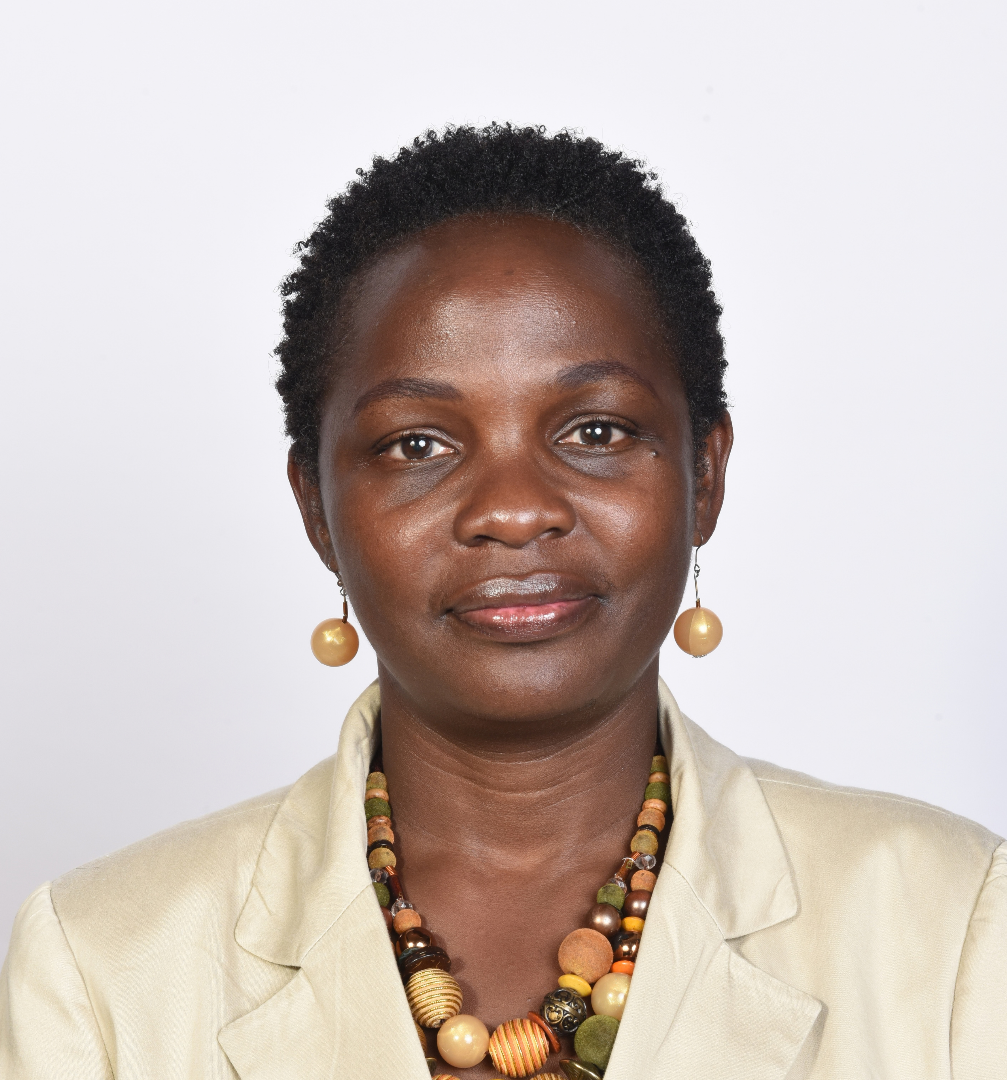
Mutengu is Senior Programme Manager, Science Communication and Engagement at the Science for Africa Foundation. She is responsible for strategic planning and execution of a Pan African Community and Public Engagement (CPE) support programme. Mutengu has over 20 years’ work experience in patient, community and public engagement, health and development communication, policy engagement, advocacy and bioethics in Low- and Middle- Income Countries (LMICs) in Africa. She has established three continental engagement support programmes, led teams to identify and execute engagement strategies for several clinical trials, longitudinal cohorts and implementation studies, designed initiatives for African researchers and research institutions to embed CPE, and supports research funders to embed CPE in research funding models.
Mutengu is a member of the NIHR Global Health Research Professorships Selection Committee, a member of the WHO External Expert Reference Group on Patient, Community and Public Engagement, and a member of the African Population and Health Research Center - Ethics and Scientific Review Committee (APHRC-ESRC).
Prior to joining the SFA Foundation, Mutengu worked with the African Academy of Sciences (AAS), International AIDS Vaccine Initiative (IAVI), and the Makerere University Walter Reed Programme (MUWRP-USMHRP). She holds a Masters in Public Health.

Dr Jon Padgham
Dr Jon Padgham
Dr. Jon Padgham is an Executive Director Emeritus of START, a non-profit that from 1992-2026 supported scientific capacity development on global environmental change in Africa and Asia. Through START, Jon led science capacity development projects and programs in Africa and Asia that engaged universities and researchers in applying climate research to risk and adaptation planning and helped advance understanding of climate change related to adaptation, climate finance, agriculture & food security, disaster risk reduction, urban resilience, environmental change, and renewable energy. His experience in capacity development includes scientific writing, science communication across disciplines, persuasive communications of science to policy and other stakeholder communities, research and assessment methods, building links to global science assessments, and building mentorship bridges between junior and senior academics. Jon was a lead author on the Africa regional chapter of the IPCC 5th Assessment Report. He holds a PhD in Soil Science from Cornell University.

Ms Socheata Sim
Ms Socheata Sim
Socheata Sim is a climate justice advocate and serves as Mekong Regional Manager at Oxfam. She works to strengthen the voice, agency, and leadership of women, Indigenous Peoples, and marginalized communities in water governance and climate resilience across the Lower Mekong Basin. With over a decade of experience in women’s rights, health policy, and grassroots research, she champions equitable climate action and support for riverine communities most affected by climate change.
A notable milestone in her career was convening the 2024 Asia Women and Rivers Congress, which brought together 125 women leaders from 18 countries to address climate challenges in transboundary river basins across South and Southeast Asia. Socheata has held various roles in international NGOs focused on women’s empowerment, health policy, and community-led research. She holds a Master of Public Health from the University of Melbourne and is a Senior Fellow at the Atlantic Institute for Health Equity in Southeast Asia and China.

Dr Monica Jain
Dr Monica Jain
Dr Monica Jain has more than 20 years of experience in the development sector leading research focusing on early child development, nutrition, food security, immunization, poverty and health. At 3ie, she manages and leads a global portfolio of policy-relevant mixed-methods evaluations and evidence synthesis. She was member of an international advisory council for Drawdown Lift which aims to deepen our collective understanding of the links between climate change solutions, health, and improving human well-being. She has been a WHO working group member tasked with development of behavioral and social drivers (BeSD) measures for child vaccine uptake and WHO reference group member for development of standardized and adaptable tools to measure BeSD drivers of HPV vaccination. Before joining 3ie, Monica worked at the International Food Policy Research Institute (IFPRI) in Washington, DC, where she analyzed food and nutrition security issues, especially those pertaining to children and women. She has also worked at the World Bank’s Poverty Reduction and Economic Management unit in New Delhi where she provided technical support in strengthening the poverty and social monitoring systems in India. She has published in leading development economics and public health journals.
Prof Datin Paduka Dr Soo-Hwang Teo
Prof Datin Paduka Dr Soo-Hwang Teo
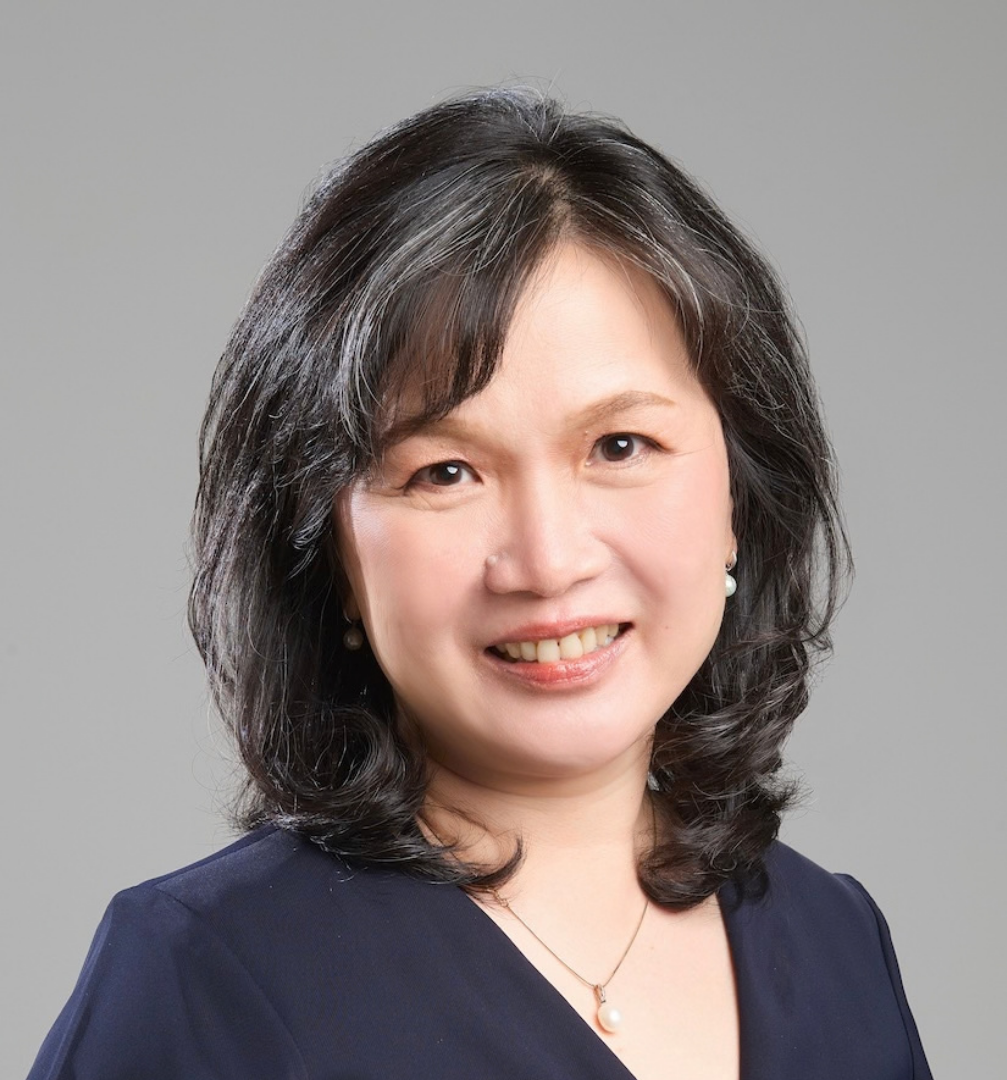
Professor Datin Paduka Dr Teo Soo-Hwang OBE is Founding CEO of Cancer Research Malaysia (retired), where she has led pioneering research in the genetics and genomics of Asian breast cancer and championed the translation of scientific discoveries into precision medicine, improved patient care, and stronger health systems. She is a Fellow of the National Institutes of Biotechnology Malaysia, advising on the MyGenom Project, Adjunct Professor at the University of Malaya, and Chair of the Medical and Health Sciences Discipline at the Academy of Sciences Malaysia. She was awarded an Officer of the Order of the British Empire (OBE) by Her Majesty Queen Elizabeth II and conferred the DSIS Award by HRH Sultan Selangor (which bears the title Datin Paduka) for services to medical research.

Dr Teck Chuan Voo
Dr Teck Chuan Voo
Dr Voo Teck Chuan heads the SingHealth Office of Ethics in Healthcare and is bioethicist with the SingHealth Duke-NUS Medical Humanities Institute. Trained in philosophy, bioethics and medical jurisprudence, he has published more than 70 articles and book chapters in various bioethics areas, and co-edited 3 books. He has obtained over SGD $3million in competitive research grants. He sits on various ethics committees and ethics advisory boards, including the Singapore Bioethics Advisory Committee. He was a Hastings Center Visiting Scholar, Caroline Miles Visiting Scholar at the Oxford Ethox Centre, and recipient of the Singapore Infectious Disease Fellowship. Teck Chuan was on the Board of Directors of the International Association of Bioethics (2022-26). He has served the World Health Organization in the integration of ethics in clinical guidelines, and the development of ethics guidance relating to research, public health emergencies and climate change. Teck Chuan is Co-PI/Steering Committee Member of the Wellcome-funded Southeast Asian Bioethics Network, a leading resource for bioethics in the region.
Dr Rashan Haniffa
Dr Rashan Haniffa
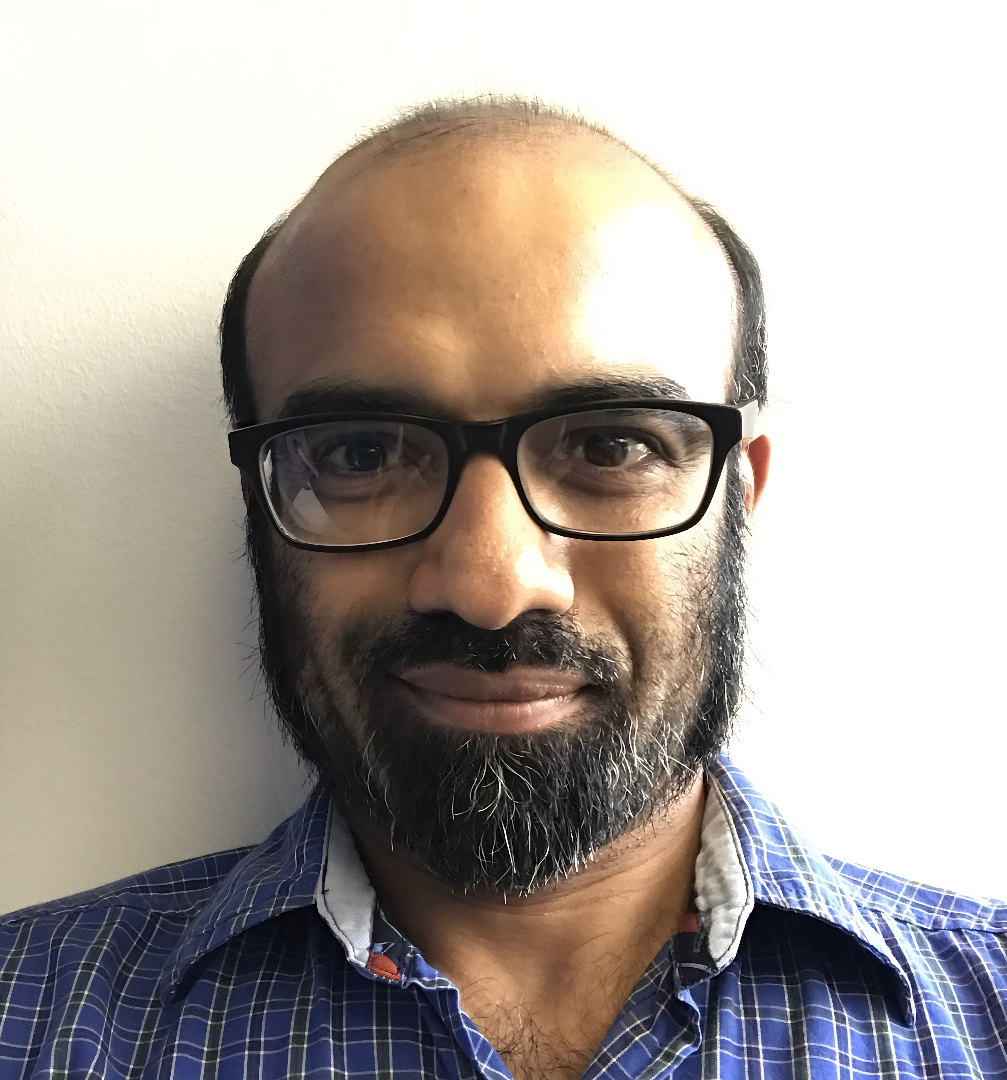
Rashan trained in medicine at the University of Colombo and subsequently completed training as a critical care physician and anaesthetist in the UK. Rashan was awarded a PhD scholarship by the University of Oxford, where his doctoral work was on developing methods for continuous healthcare evaluation in resource-limited settings. During this time he co-founded NICS-MORU, a not-for-profit research unit based in Sri Lanka, that develops and curates digital registries to strengthen research capacity and facilitate data-driven service improvement in Asia and Africa. NICS-MORU also functions as the data coordinating centre for multinational observational and interventional research projects. He has also completed a MSc in Clinical Trials at London School of Hygiene and Tropical Medicine. Rashan works clinically as a consultant in intensive care medicine at University College Hospitals London.
Dr Thandi Kapwata
Dr Thandi Kapwata
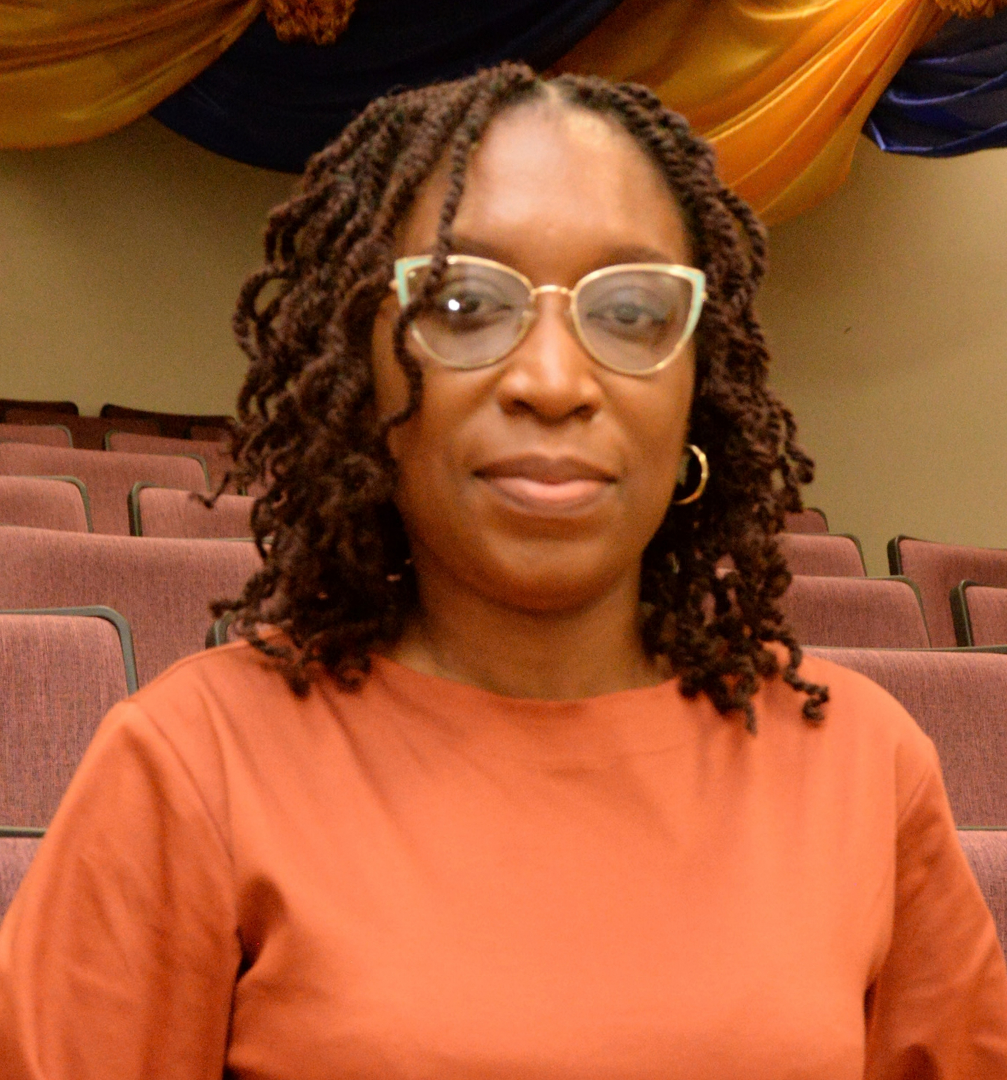
Dr Thandi Kapwata is a Specialist Scientist within the Climate Change and Human Health Research Programme in the Environment & Health Research Unit of the South African Medical Research Council. She is also an Honorary Research Associate with the African Climate & Development Initiative (ACDI) at the University of Cape Town. Her research portfolio is in environmental epidemiology primarily focused on the impacts of climate change and air pollution on health and wellbeing. A key area of her research focuses on the health impacts of extreme heat, particularly among vulnerable communities with limited resources to adapt to increasing heat exposure. Dr Kapwata’s current research includes multi-country studies on the impacts of climate change on physical and mental health, the implementation and evaluation of climate change adaptation interventions, and the health impacts of air pollution.
Selection Panel Members (Panel 2)
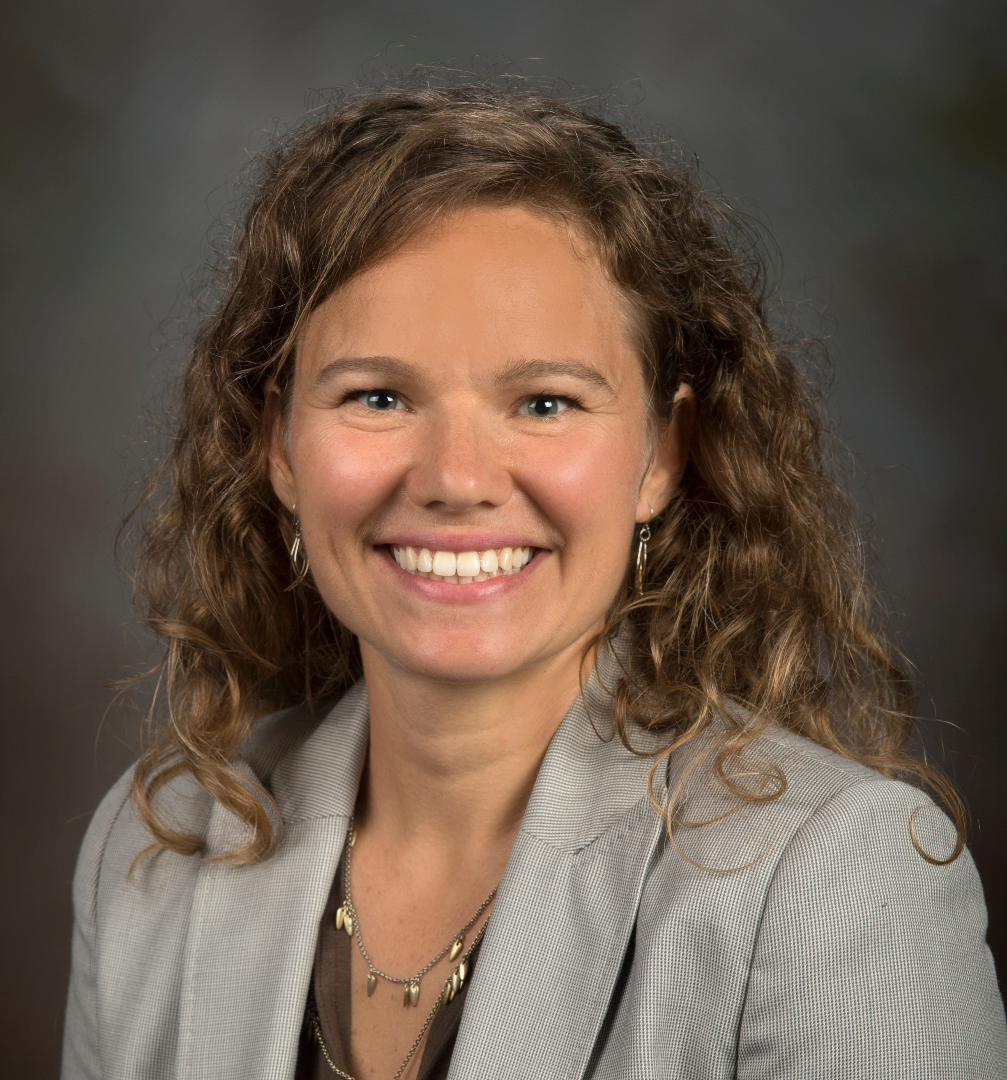
Dr Julia Gohlke
Dr Julia Gohlke
Julia M. Gohlke, PhD is a Professor in the Department of Population Health Sciences at Virginia Tech in Blacksburg, VA, where she serves as Co-Director of the NIEHS-funded Rural Environmental Health T32 PhD Training Program. She received her BS in Biology from University of Michigan, PhD from the University of Washington School of Public Health, and completed postdoctoral training at NIEHS. She served as an AAAS Science and Technology Policy Fellow in the U.S. Department of State. Throughout her career, she has integrated computational modeling, toxicology, epidemiology, and policy evaluation to better understand how environmental exposures affect human health across the lifespan. She has authored over 100 peer reviewed publications and book chapters/technical reports. She has served on the Board of Scientific Counselors for the National Center for Environmental Health, on a National Academies of Science panel evaluating the use of dispersants during oil spills, and as an external reviewer for NIH, EPA, NASA and NSF, among others. She teaches graduate and undergraduate level courses in rural environmental health and Appalachian community research. Her research group is currently employing spatial epidemiology methods to examine health outcomes associated with heat and flood events across urban and rural landscapes. She collaborates with earth scientists, environmental engineers, geographers, computer scientists, and statisticians. Her research to date has advanced understanding of environmental drivers of adverse birth outcomes, disaster-related health impacts, and community-based approaches to extreme weather adaptation.
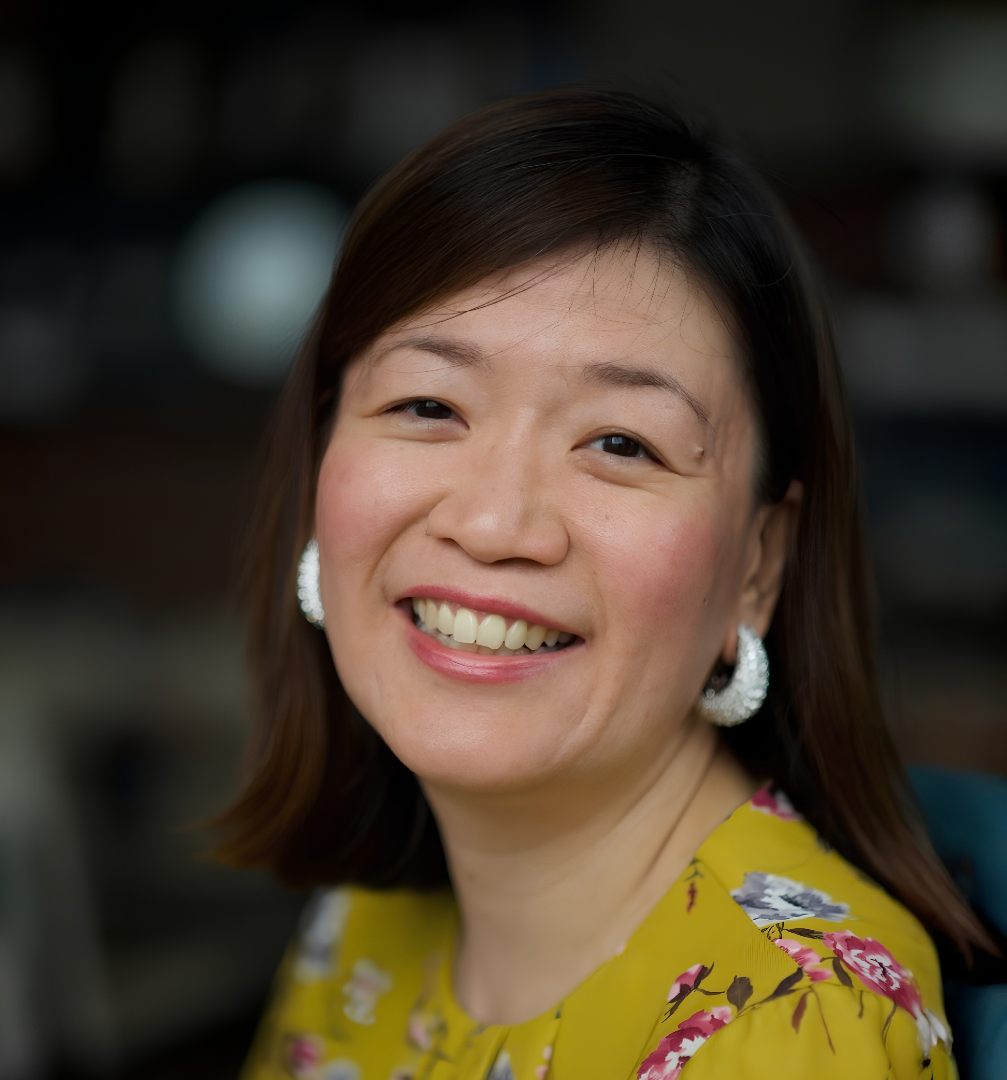
Assoc Prof Dr Catherine Ong
Assoc Prof Dr Catherine Ong
Dr Catherine W.M. ONG MBBS MRCP(UK) MMed (Int Med) PhD FAMS FRCP is a tenured Associate Professor at the Department of Medicine, Assistant Dean for Research in NUS Medicine, Head of NUHS Clinician-Scientist Academy, Principal Investigator in iHealthtech, Senior Consultant with Division of Infectious Diseases in NUH and Visiting Consultant at the National Tuberculosis Care Centre with research and clinical interests in Tuberculosis. She is Co-Director of the large programmatic RIE 2030 NUH Centre Grant and serves in international journal editorial boards; as Associate Editor of the leading European Respiratory Journal and Deputy Editor of the flagship International Journal of Tuberculosis and Lung Disease. Her other portfolios include Elected Executive Council and Treasurer to the ESCMID Study Group for Mycobacterial Infections (ESGMYC). She has held leadership positions in Society of Infectious Disease (Singapore), Chapter of Infectious Disease Academy of Medicine Singapore and the College of Clinician Scientists Singapore. She is expert reviewer to global funding agencies such as the Wellcome Trust, UK RI and ESCMID and is internationally-recognised.
Catherine graduated in medicine from NUS in 2003, trained in Infectious Diseases and completed a PhD in 2013 at Imperial College London funded by the National Medical Research Council (NMRC). Her laboratory focuses on Tuberculosis host-pathogen interactions in neutrophils and TB host-directed therapies in multi-national clinical trials. Her research team of outstanding graduate students and research staff have won multiple national and international-level awards notably from ECCMID, APCCMI and the Wellcome Trust.
On clinical aspects of TB, Catherine serves the Ministry of Health Singapore, international guidelines committees on TB care including as Advisory Member on TB lung damage for the WHO. She is inaugural Clinical Lead for the MOH TB Programme at NUH. For her work, she received multiple national and international accolades. They include a Presidential Award at the American Society for Leukocyte Biology 2011, Global Health Travel Award by the Gates Foundation 2012, International Investigator Award by the Infectious Diseases Society of America 2013, NMRC Transition Award 2015, Institut Merieux-SIDS Young Investigator Award 2018, NMRC Clinician Scientist Award (INV) 2018 with renewal in 2022 and the Clinician Scientist Award (Senior) 2024 in recognition of her achievements in the field of Tuberculosis.

Dr Alessandro Massazza
Dr Alessandro Massazza
Dr. Alessandro Massazza works as a Senior Policy & Advocacy Advisor at United for Global Mental Health where he manages a portfolio of projects on the intersection between climate change, the environment, and mental health. He has an academic background working on mental health and psychosocial support in settings affected by adversity. After working on mental health in humanitarian settings for the World Health Organization HQ, he moved to the Wellcome Trust where he supported initiatives at the intersection of climate change and mental health.
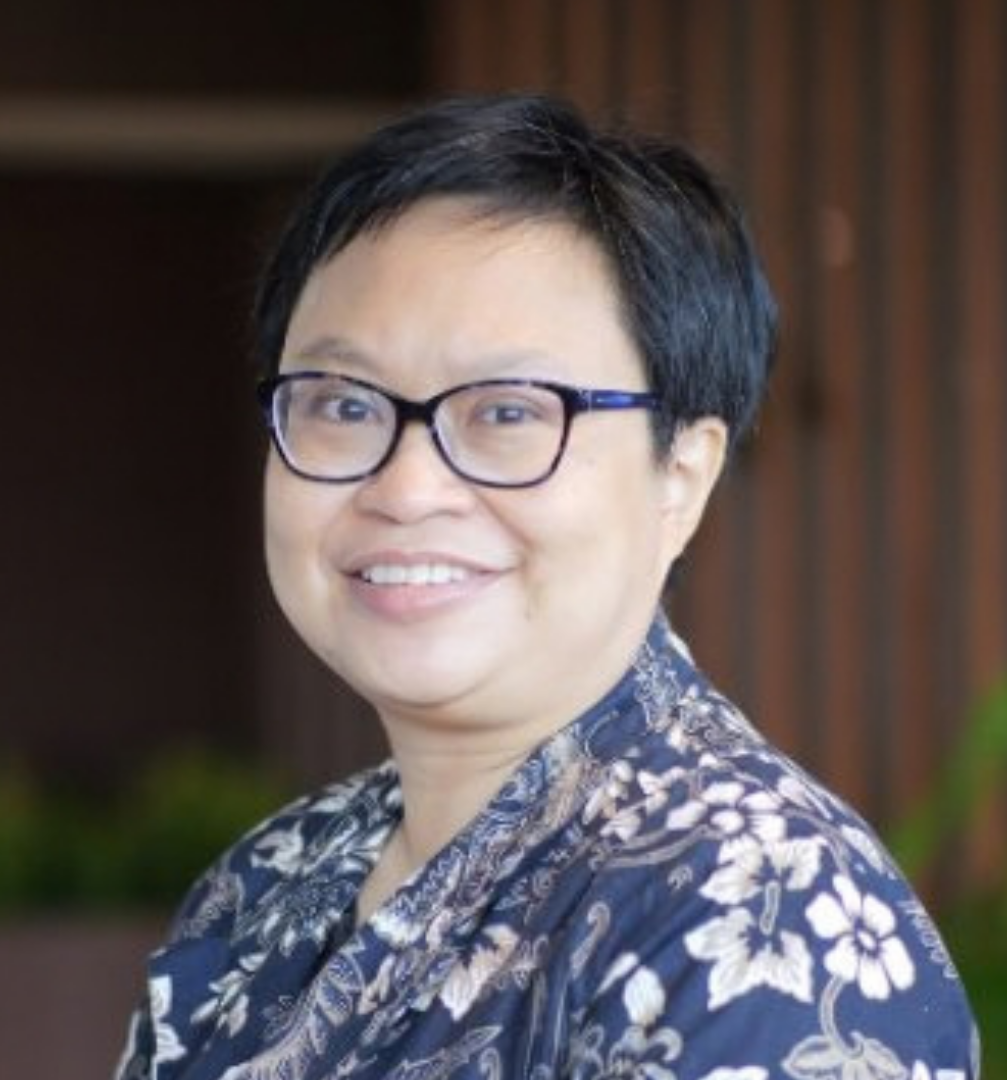
Assoc Prof Dr Grace Wangge
Assoc Prof Dr Grace Wangge
Grace Wangge is an associate professor in Public Health at Monash University, Indonesia. She has extensive experience in grassroots research, capacity building, and evaluating health and nutrition programs in primary health services throughout Indonesia. Currently, she is head of Monash PARTICIPATE (Participatory Digital Health & Inclusive Technology) Lab, which focuses on co-designing digital health solutions with vulnerable communities in Indonesia.
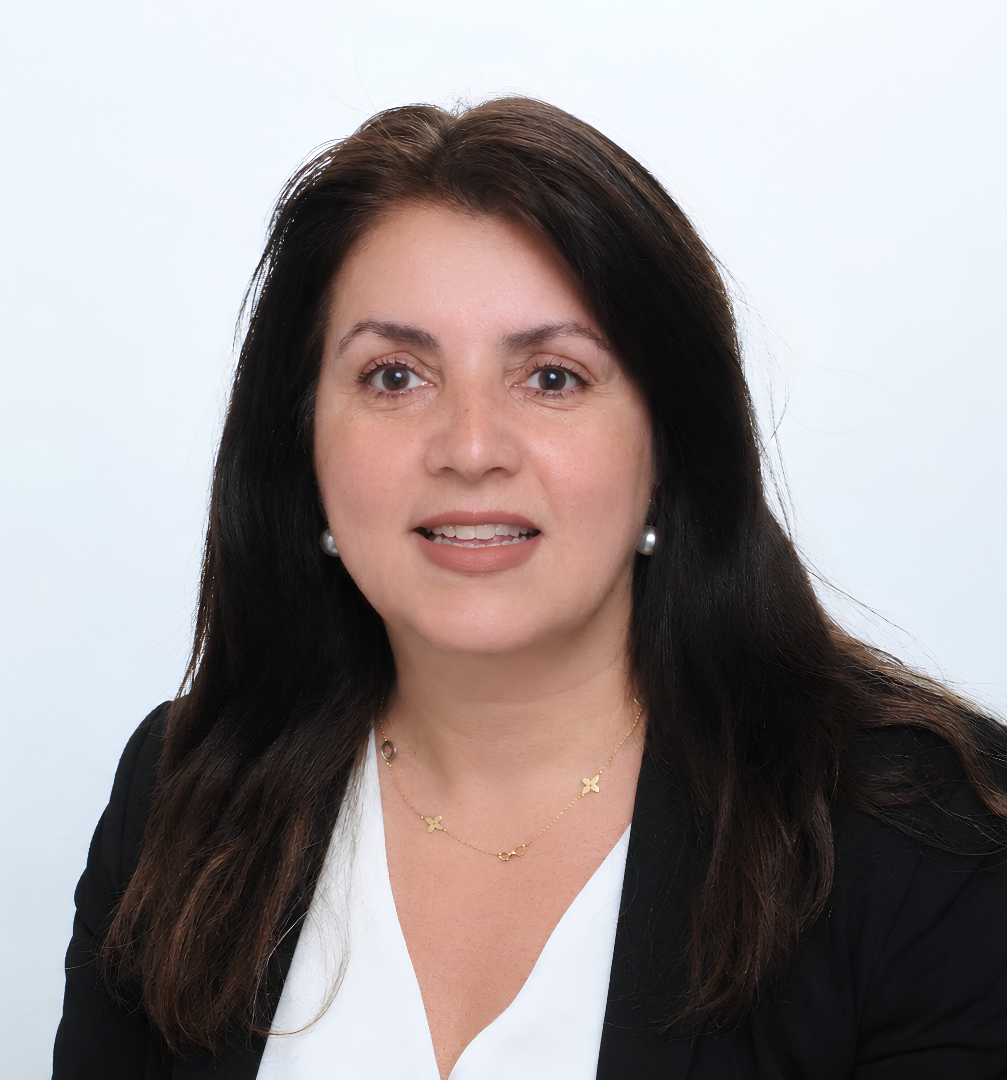
Prof Dr Dina Balabanova
Prof Dr Dina Balabanova
Dina Balabanova is Professor of Health Systems and Policy at the London School of Hygiene & Tropical Medicine, with over 25 years of experience in research on governance, effective delivery models (particularly for non-communicable diseases), and health systems strengthening and resilience. She led the Rockefeller Foundation-funded Good Health at Low Cost 25 Years On programme, which examined why some countries have achieved major advances in population health and access to care compared with others at similar levels of income. In recent years, she has led research exploring the structural and institutional drivers of poor health sector governance, as well as politically feasible solutions. She was a co-founding Board Member of Health Systems Global (2012-18) and co-founded its thematic working group, Action on Accountability and Anti-Corruption for Achieving the 2030 Sustainable Development Goals. Dina is currently Co-Chair of The Lancet Global Health Commission on Anti-Corruption in Health and serves on the WHO Science Council, advising the WHO Director-General.
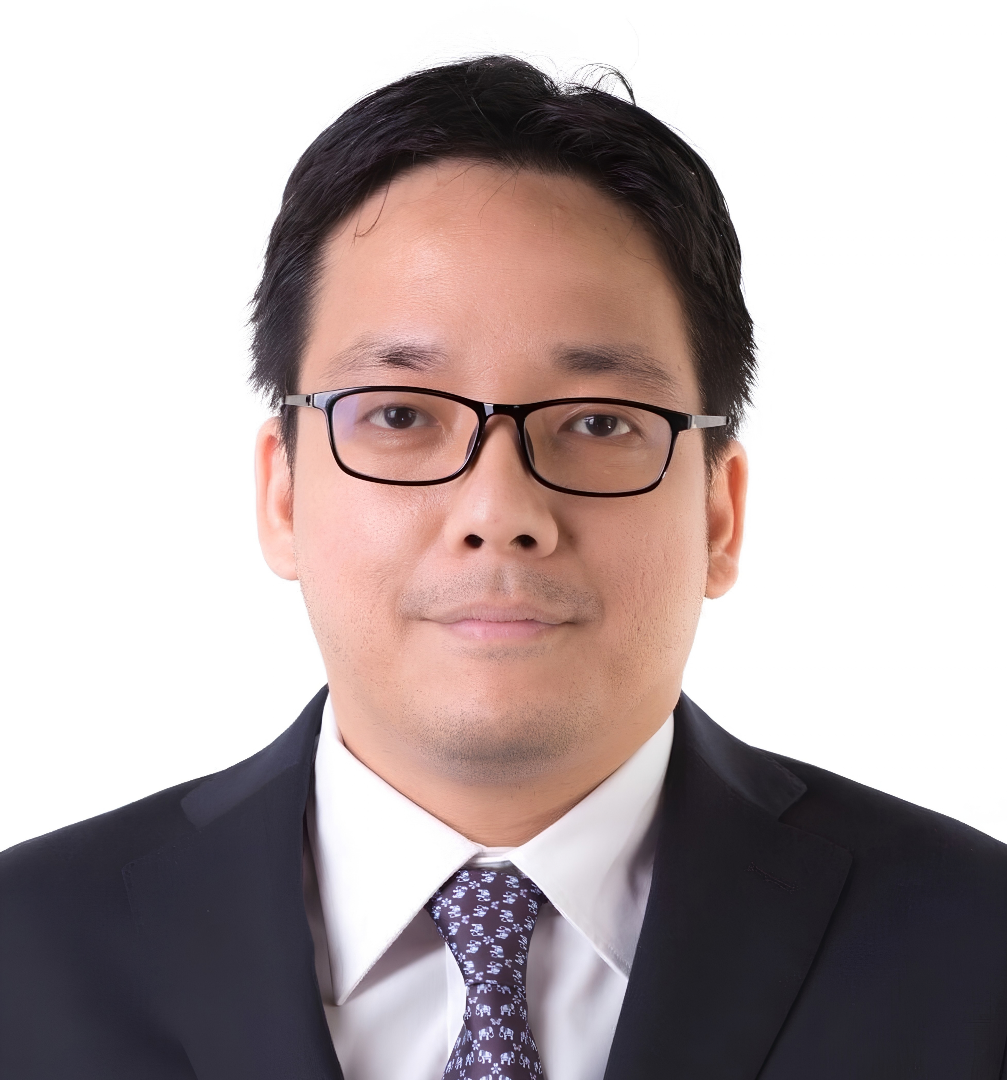
Assoc Prof Dr Jenyuk Lohwacharin
Assoc Prof Dr Jenyuk Lohwacharin
Assoc. Prof. Dr. Jenyuk Lohwacharin is a leading environmental engineering scholar and Head of the Department of Environmental and Sustainable Engineering, Faculty of Engineering, Chulalongkorn University, Thailand. His expertise spans advanced water and wastewater treatment, industrial water reuse, micropollutant removal, membrane technologies, and sustainable water management.
Dr. Lohwacharin earned his Ph.D. in Environmental Engineering from the University of Tokyo, following graduate study at the Asian Institute of Technology and undergraduate training in Civil Engineering at Chulalongkorn University. His international academic experience includes several years of research and teaching at the University of Tokyo, where he served as a Project Assistant Professor.
An active researcher with extensive international collaborations, Dr. Lohwacharin has contributed to research addressing emerging contaminants, microplastics, water safety, and sustainable treatment technologies. His work combines scientific rigor with practical relevance to environmental and societal challenges.
With his multidisciplinary expertise, international research experience, and strong understanding of research impact and sustainability, Dr. Lohwacharin brings valuable scientific judgment and a global perspective to the evaluation of competitive international research funding.
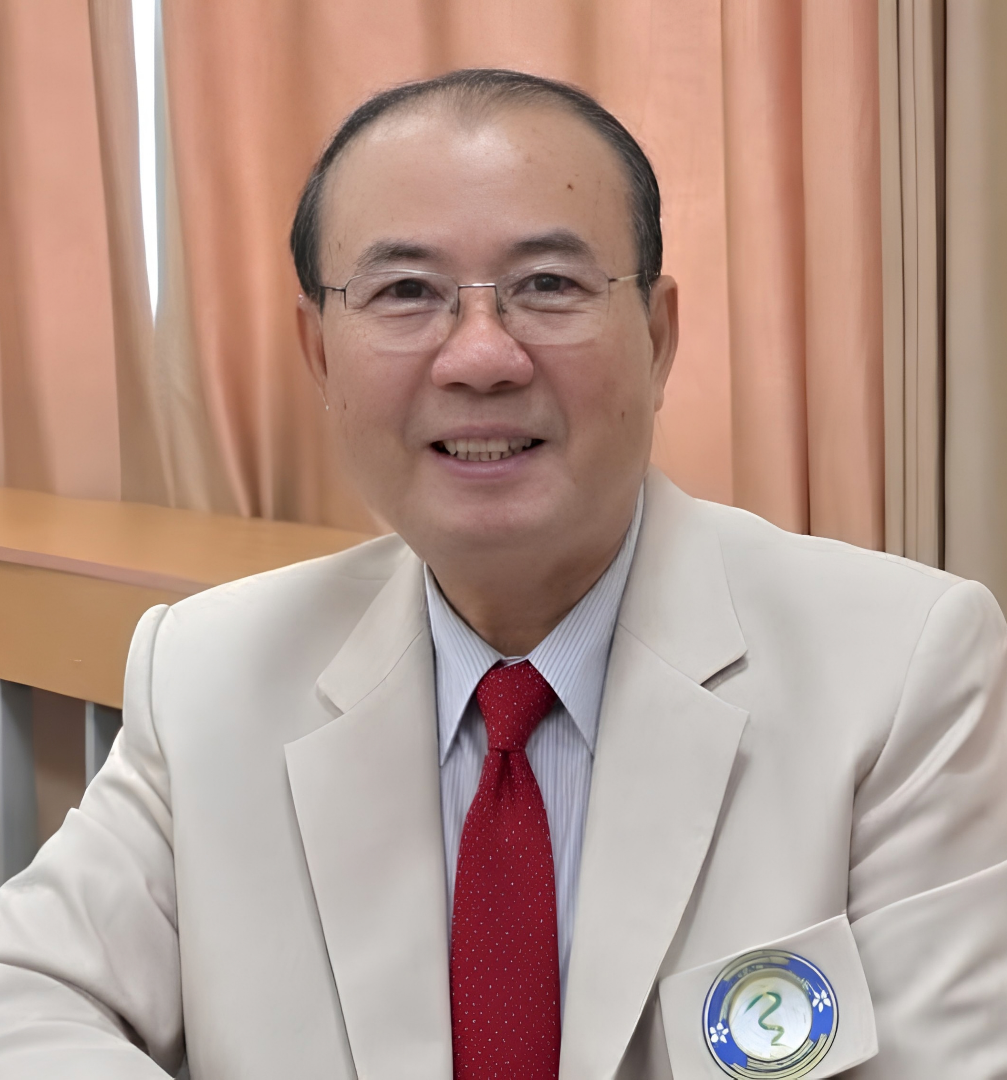
Dr Bounpheng Philavong
Dr Bounpheng Philavong
Dr. Bounpheng Philavong is a senior Lao public health leader and epidemiologist with over four decades of national and international experience in disease control, health systems governance, and health promotion. Born in Vientiane, Laos, in 1955, he earned his Doctor of Medicine degree from Charles University in Prague in 1985, followed by a Master of Public Health in Epidemiology from the University of California, Berkeley in 1992, and a Doctor of Public Health in International Health ( Disease Control tract) from the School of Hygiene and Public Health, The Johns Hopkins University in 1998.
Throughout his distinguished career within the Ministry of Health of Lao PDR, Dr. Philavong held key executive positions, including Manager of the National Immunization Programme, Deputy Director of the Health System Reform and Malaria Control Project, Deputy Permanent Secretary of Health, Director of the National Centre for HIV/AIDS and STI, and Director General of the Department of Hygiene and Health Promotion. His international service includes leading the Health and Communicable Diseases Division at the ASEAN Secretariat in Jakarta as Assistant Director from 2004 to 2010, and serving as a member of the WHO Regional Verification Commission for Measles and Rubella Elimination in the Western Pacific from 2012 to 2020.
Additionally, Dr. Philavong has contributed to medical education as a lecturer across faculties at the University of Health Sciences of Laos and the Institute de la Francophonie pour la Médecine Tropicale. Following his retirement from civil service, he has continued to provide strategic technical guidance to international agencies, including WHO, UNICEF, UNAIDS, and the Global Fund. He currently serves as Vice-Chair of the Medical Professional Board under the Health Professional Council of Lao PDR, while representing the country as Focal Point for both the ASEAN Healthcare Services Sectoral Working Group and the ASEAN Joint Coordinating Committee on Medical Practitioners.
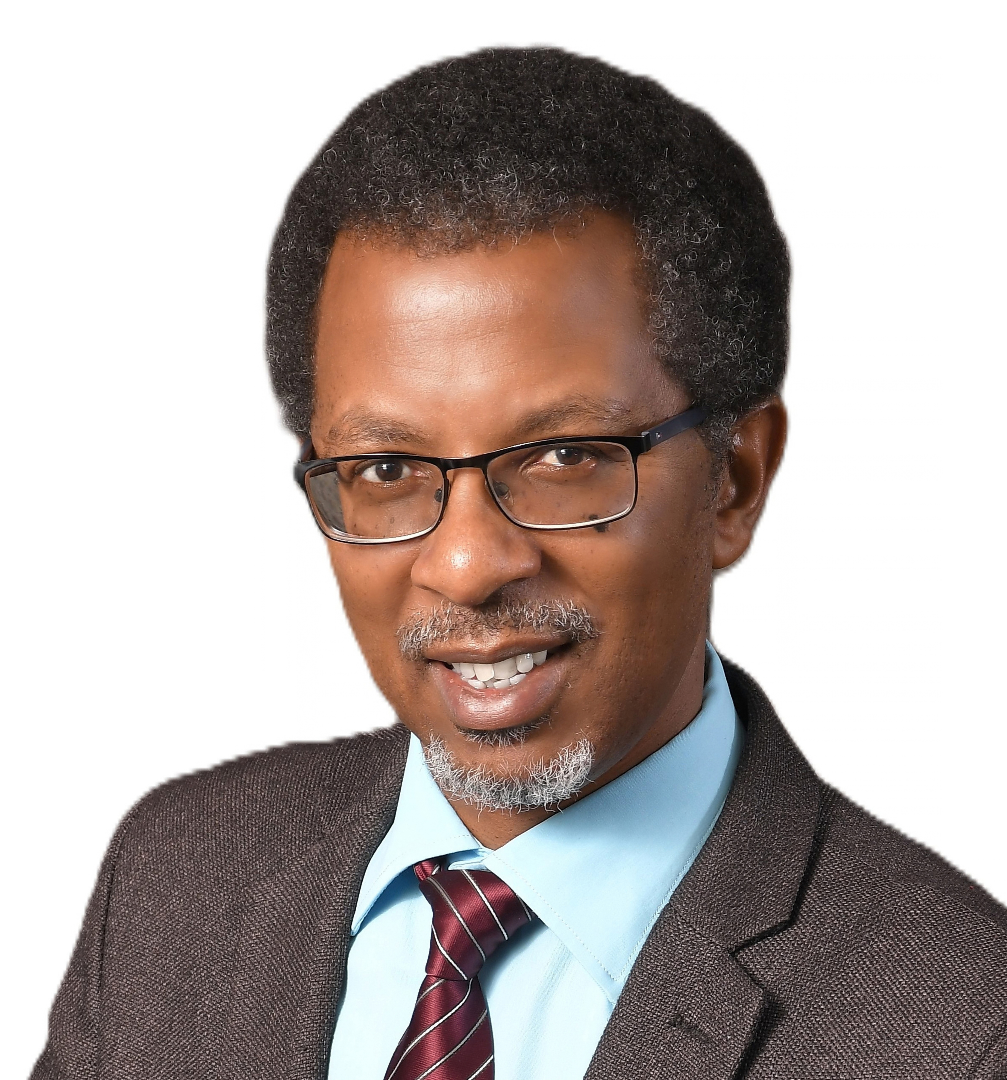
Prof Samson Kinyanjui
Prof Samson Kinyanjui
Professor Sam Kinyanjui is a research and capacity-development leader with three decades of experience spanning malaria immunology, health systems research, research ethics, postgraduate education and institutional strengthening. He is Head of Training at the KEMRI-Wellcome Trust Research Programme, Director of the Initiative to Develop African Research Leaders (IDeAL), and Associate Professor in the Nuffield Department of Medicine at the University of Oxford. Over the past 16 years, he has focused on building sustainable African research leadership, mobilising and managing more than US$42 million for capacity development and co-leading consortia supported by over US$40 million. Through IDeAL and related partnerships, he has helped establish an integrated pathway from early research exposure and postgraduate training to postdoctoral and mid-career development. By 2025, IDeAL had supported more than 160 PhD graduates and over 120 postdoctoral researchers, while strengthening supervision, scientific output and research environments across Africa. Professor Kinyanjui has also helped establish postgraduate programmes in Kenya and the United Kingdom and serves on academic and international advisory committees. His contributions have been recognised through the Chalmers Medal, the KEMRI Director’s Award, and the University of Oxford Nuffield Department of Medicine Major Educator Award.
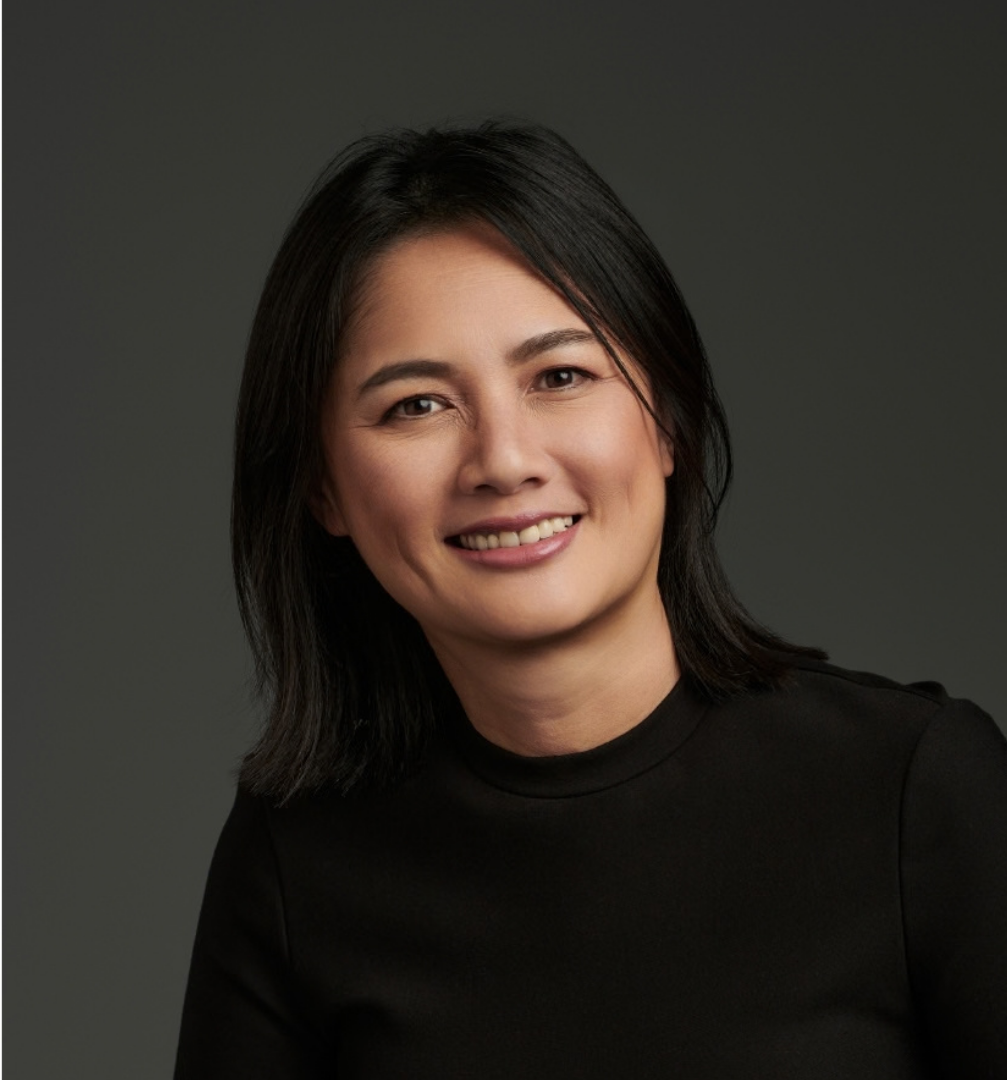
Prof Dr Phaik Yeong Cheah
Prof Dr Phaik Yeong Cheah
Phaik Yeong Cheah is a Professor of Global Health at the University of Oxford and Head of Bioethics & Engagement at the Mahidol Oxford Tropical Medicine Research Unit (MORU) in Bangkok, Thailand, part of Oxford's Nuffield Department of Medicine. She leads an international team across the UK, Thailand and Cambodia working on the ethics of conducting health research in low-resource settings, data ethics, and antimicrobial resistance, alongside community and public engagement programmes across Southeast Asia.
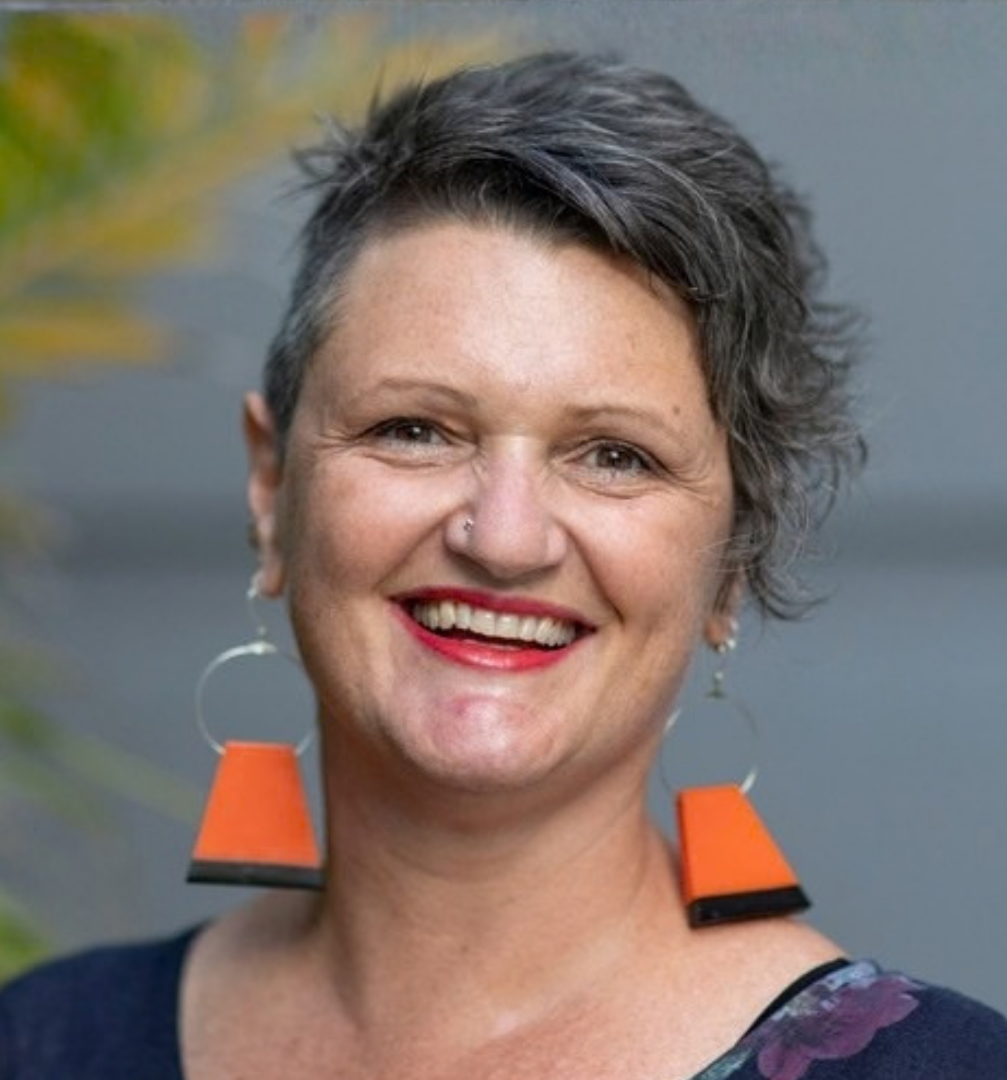
Prof Dr Angela Kelly-Hanku
Prof Dr Angela Kelly-Hanku
Prof Angela Kelly-Hanku is the Head of the Global Health Equity and Justice Research group, leading a vibrant and cohesive program of research in the Pacific, South East Asia and Australia. Prof Angela’s work is driven by a commitment to person-centred, strengths based approaches that advocate for equity and inclusion and decolonising research practices to find social and public health solutions to some of our greatest issues. This includes issues of gender and sexuality, sexual and reproductive health, young people, and gender-based violence but also infectious diseases of global significance such as HIV, TB, STIs, Hepatitis B, HPV and cervical cancer and COVID-19.
Originally trained in anthropology and sociology, she is an interdisciplinary researcher who draws on a variety of disciplines and approaches to achieve the best health outcomes for the communities she serves. She values developing in-depth long term partnerships, curiosity and rigour. She currently leads a program of work scaling up equitable access to point-of-care testing for HIV in PNG, socio-cultural research into local configurations of TB, HIV sero-discordant relationships and health system and community responses to COVID-19. She also works at the intersection of art and science, as evident with a recent street art project in Indonesia on climate change and sexual and reproductive health and photo voice on COVID-19 and young people with HIV.
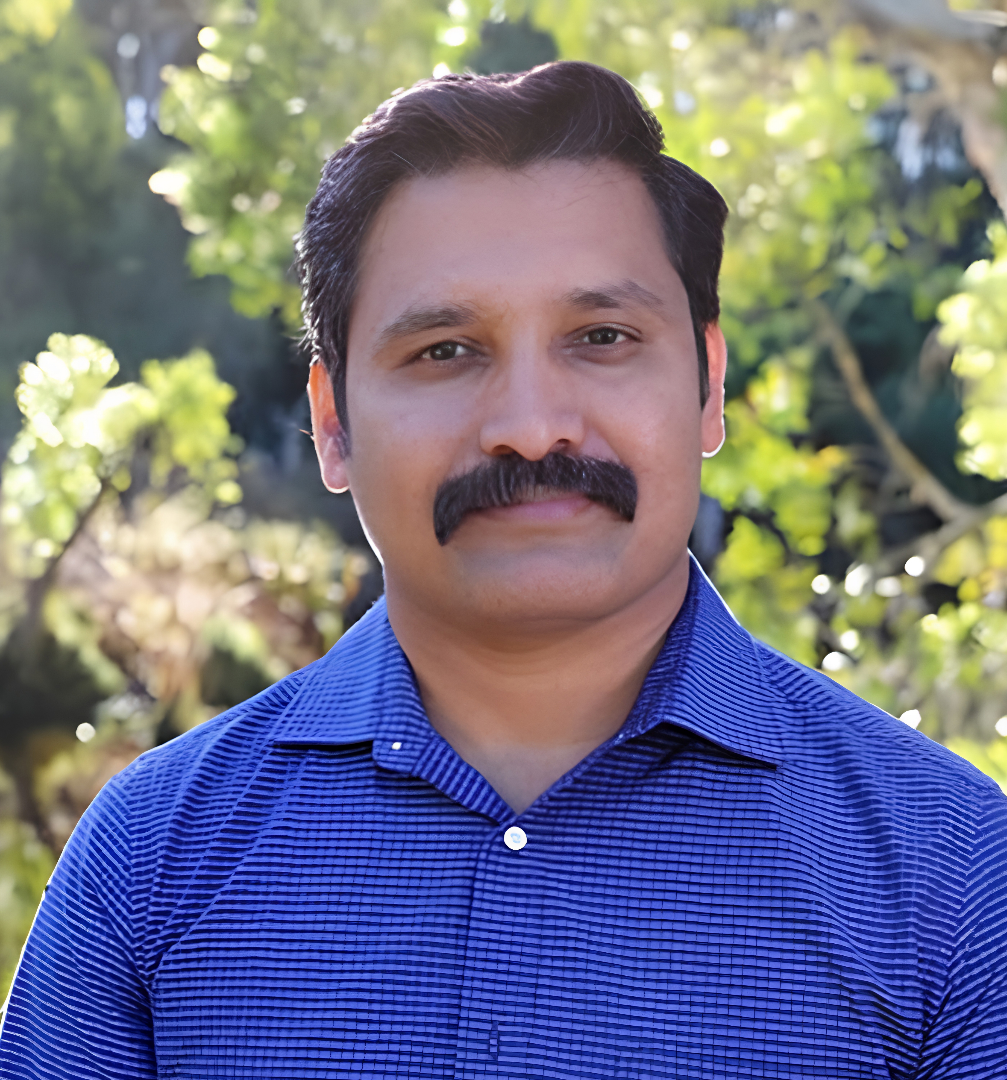
Prof Dr Thava Palanisami
Prof Dr Thava Palanisami
Professor Thava Palanisami is an internationally recognised leader in environmental micro- and nanoplastics and human health, pioneering research that links plastic transformation into Microplastics and environmental exposure to human health risk, biomonitoring, and prevention.
His research addresses one of the defining environmental and public-health challenges of the 21st century: how plastics transform in the environment, move through ecosystems and food systems, enter the human body, and potentially influence health.
Professor Palanisami leads multidisciplinary research spanning environmental transformation, contaminant transport, exposure assessment, risk assessment, human biomonitoring, toxicology and translational environmental health. His work brings together environmental science, analytical chemistry, toxicology, materials science, epidemiology and clinical research to translate environmental contamination into measurable health risks and practical solutions.
He is the Founder of the Australian Plastics Research and Innovation Laboratory (APRIL) at the University of Newcastle's Global Innovative Centre for Advanced Nanomaterials (GICAN), where he has built multidisciplinary research capability focused on plastics, emerging contaminants and human health. His research has helped establish plastics as an important environmental exposure and human-health research challenge, moving the field beyond simply measuring plastic pollution towards understanding exposure, biological interactions, risk and intervention.
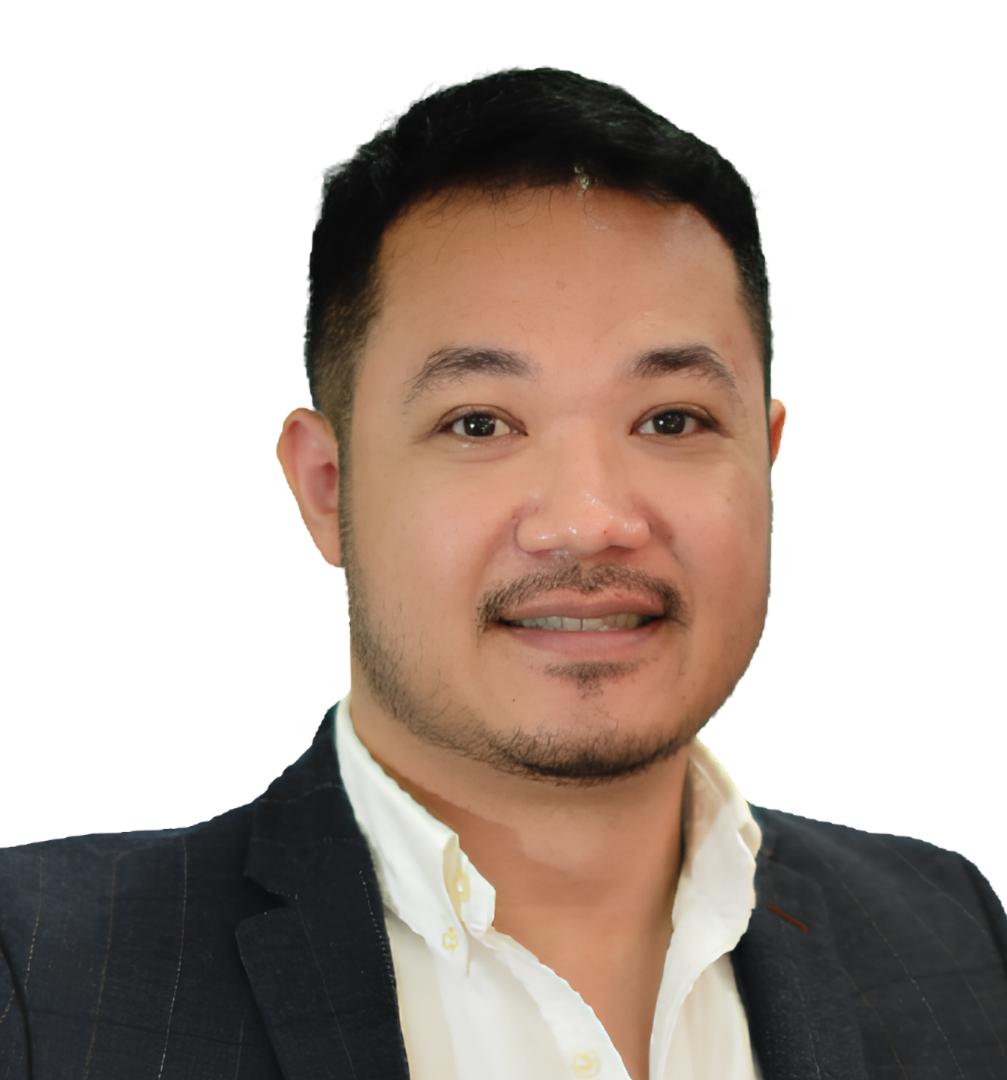
Dr Mohammad Firdaus Bin Abdul Aziz
Dr Mohammad Firdaus Bin Abdul Aziz
Firdaus Aziz is the Deputy Dean (Student Affiars) at the Faculty of Law, Universiti Malaya. His work centres on medical law, biosafety law, and the legal–ethical dimensions of emerging technologies, including stem cell science, biobanking, gene editing, and precision medicine. He holds a BSc (Hons) in Genetics and Molecular Biology from Universiti Malaya and received the National Science Fellowship to pursue an MA in Biotechnological Law and Ethics at the University of Sheffield. He later completed a DPhil in Public Health at St Edmund Hall, University of Oxford, specialising in stem cell law and ethics at the Centre for Health, Law and Emerging Technologies (HeLEX).
Since 2016, he has contributed to strengthening bioethics capacity in Southeast Asia. As a UNESCO Bioethics Trainer, he has delivered training to academicians teaching bioethics in universities across Indonesia, the Philippines, Fiji, and other parts of the region. He is also a co-investigator for the Wellcome Trust–funded Southeast Asian Bioethics Network and for the NIH Fogarty programme developing Malaysia’s Master’s in Health Research Ethics.
Firdaus plays an active role in national and regional governance, serving on Malaysia’s Technical Advisory Committee on Dual-Use Research, the National Sub-Committee for Laboratory Biosafety and Biosecurity, and the National Committee on Ethics of Cell Research and Therapy. He provides expert input to government agencies, including the Ministry of Health and the Ministry of Science, Technology and Innovation, contributing to national policy development such as the Guidelines on Stem Cell and Cell-based Research and Therapy (2024) and Malaysia’s first national biotechnology ethics guidelines (2025). He is also involved in national efforts to reform the criminal justice system, with research and supervisory work that engages issues at the intersection of law, public health, and justice sector governance.

Dr Nadia Tagoe
Dr Nadia Tagoe
Nadia Tagoe is a Senior Lecturer at the Global Health Department of the School of Public Health, Kwame Nkrumah University of Science and Technology (KNUST) in Ghana. She is a Health Policy and Systems researcher with a specific interest in global health policy and practice, particularly research systems strengthening, ethics, equity and justice, knowledge systems including their generation and use, decolonisation of knowledge systems, and capacity development, particularly in low- and middle-income countries (LMICs). I draw on social science, management, organisational, and behavioural science theories and frameworks to interrogate health policies, practices and knowledge systems. Nadia is also an honorary lecturer at the Liverpool School of Tropical Medicine’s (LSTM) Department of International Public Health. She is Co-Chair of the Ethics and Justice Technical Working Group of Health Systems Global and also coordinates the Decolonisation and Global Health Research Exchange Network co-hosted by institutions in Ghana, Kenya, and the UK. Nadia’s research career builds on over 15 years’ experience in international development, health research capacity strengthening (HRCS) programme implementation and research systems strengthening in Ghana and similar contexts. She has a PhD in Global Health Development Policy and Practice from Open University and Liverpool School of Tropical Medicine and worked with the Centre for Global Health Research in the Nuffield Department of Medicine at the University of Oxford for her postdoctoral fellowship. She is a passionate advocate for equity and accountability in global health and ensures that these principles are underscored in her work.
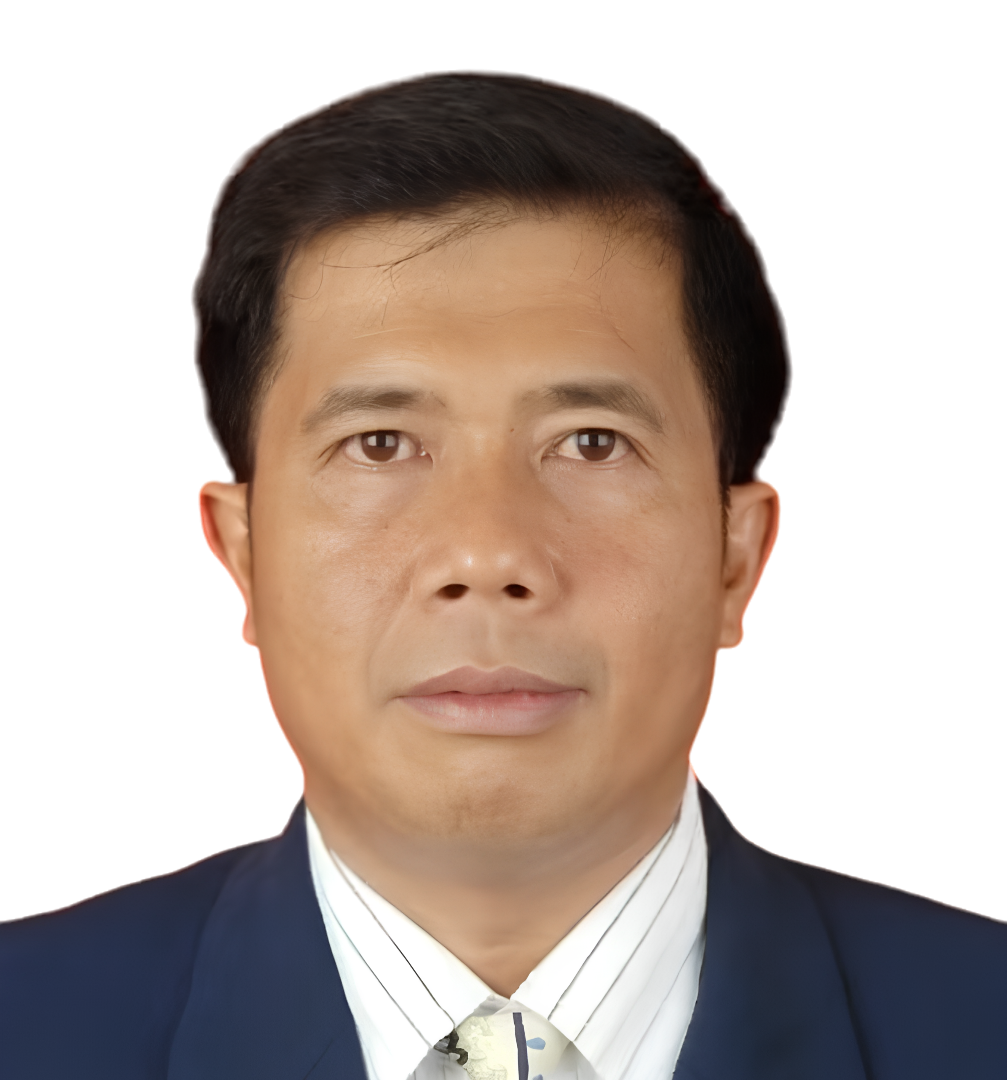
Prof Dr I Gusti Ngurah Kade Mahardika
Prof Dr I Gusti Ngurah Kade Mahardika
Gusti Ngurah Mahardika is a Professor of Virology at the Faculty of Veterinary Medicine, Udayana University, Bali, Indonesia. He earned his PhD in Virology from Justus Liebig University Giessen, Germany, in 1995. Since 2020, he has served as an honorary member of the expert team for the Indonesian National COVID-19 Task Force.
His research focuses on a wide spectrum of animal and human infectious diseases, including high-consequence viral and bacterial pathogens such as Influenza A virus, Rabies, SARS-CoV-2 (COVID-19), and Streptococcus suis, as well as African Swine Fever (ASF) and Nipah virus. In addition to his virological work, he maintains a strong research interest in marine biodiversity.
Prof. Mahardika serves as an active peer reviewer for numerous high-impact international scientific journals. He plays a pivotal role in public health advocacy and science communication, actively educating the public and advising government bodies during major viral outbreak responses across Indonesia
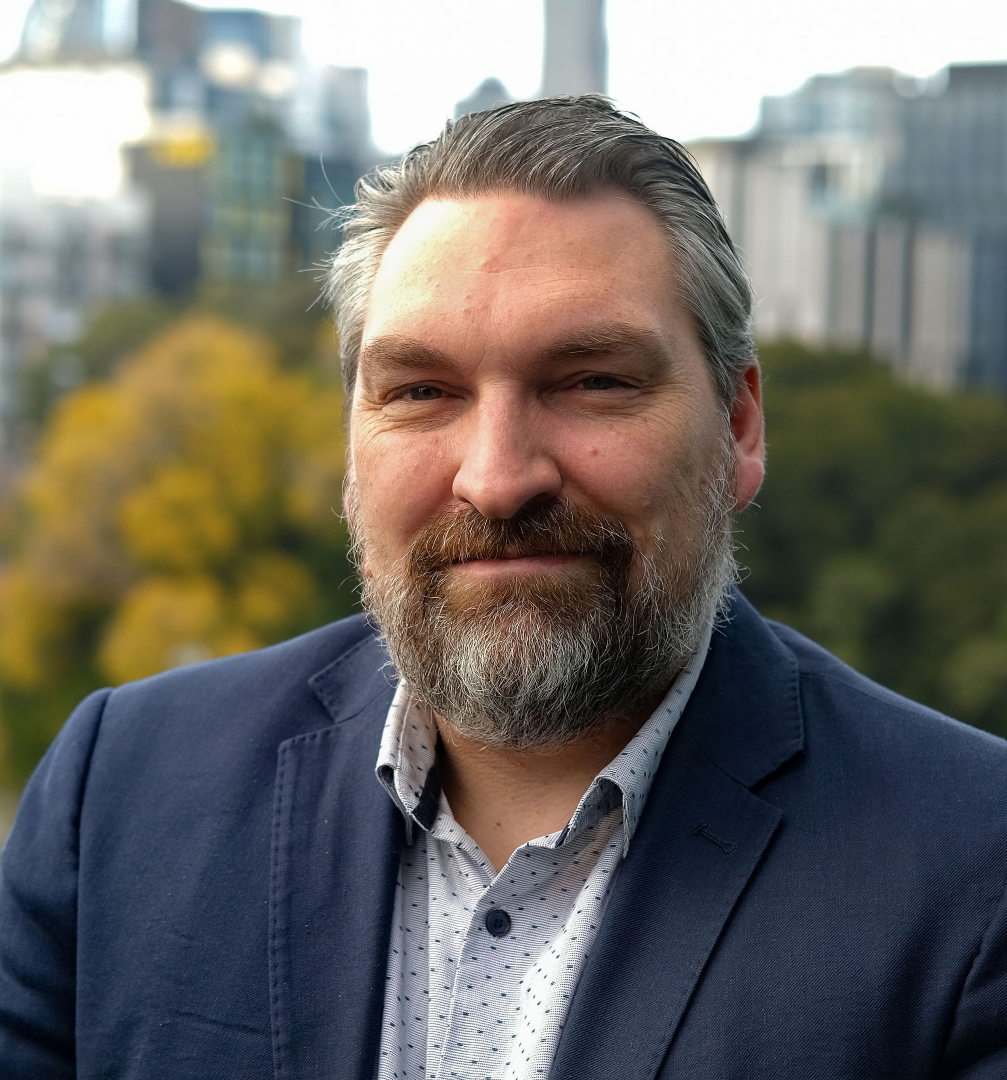
Assoc Prof Dr Brad Astbury
Assoc Prof Dr Brad Astbury
Associate Professor Brad Astbury is a mixed method evaluator with expertise in combining diverse forms of evidence to improve the quality and use of research and evaluation findings. For the past two decades Brad has worked with local, state and national government agencies, industry and the not-for-profit sector to design and deliver evaluations and enhance integration of monitoring and evaluation processes into organisational systems. His primary areas of practice are health care, mental health, education, community services and justice. He is interested in the practical application of evaluation theory and methodology to support continuous improvement and evidence-informed decision making about what works, for whom, under what circumstances, why and at what cost. Brad is an active contributor to professional societies for evaluators in Australia, Europe and North America. He currently serves on the editorial advisory board for Evaluation – The International Journal of Theory, Research and Practice, New Directions for Evaluation, Evaluation Journal of Australasia and the Asia Pacific Evaluation Journal.

Dr Hani Kim
Dr Hani Kim
Dr. Hani Kim is the founder and Executive Director of the Health Collaboratory, an independent platform for research, advising, and leadership training in global health, based in Seoul. She has over 20 years of experience spanning biomedical research, health R&D financing, and international program development.
From 2021 to 2025, she served as the Executive Director of the RIGHT Foundation, Korea's first dedicated global health R&D fund, where she more than tripled annual investment and expanded the fund's international partnerships. Previously, she spent more than six years on the Discovery & Translational Sciences and Pneumonia teams at the Gates Foundation, where she led the establishment of the RIGHT Fund, managed portfolios on global genomic surveillance consortia and vaccine discovery. She holds an MPH from Johns Hopkins University and a PhD and MSc from the University of Toronto and completed postdoctoral training at the University of Toronto and the Max Planck Institute of Immunobiology.
