

TSRI, BRIN, and DOST-PCHRD Explore Potential Shared Health Research Priorities


Thailand, Indonesia, and the Philippines convened on 24 October 2025 at the Chatrium Grand Bangkok for the ASEAN Health Priorities Workshop, marking early exploratory step toward establishing a shared medical research agenda for Southeast Asia. The meeting gathered around 40 participants from Thailand Science Research and Innovation (TSRI), Indonesia’s National Research and Innovation Agency (BRIN), and the Philippines’ Department of Science and Technology – Philippine Council for Health Research and Development (DOST-PCHRD), along with leading healthcare and research experts.
This initial phase aims to identify preliminary common priority areas that will form the basis of future collaboration. In addition to setting joint research themes, the workshop deepened participants’ understanding of the Programme, Developing Research Excellence and Mentorship in Southeast Asia (SEA DREAM) Programme, facilitated exchanges on regional medical advancements, and opened discussions on potential frameworks and next steps for collaborative research and innovation across the three countries.
By establishing shared priorities and strengthening cross-country partnerships, the workshop lays early groundwork for more coordinated and impactful health research in Southeast Asia.
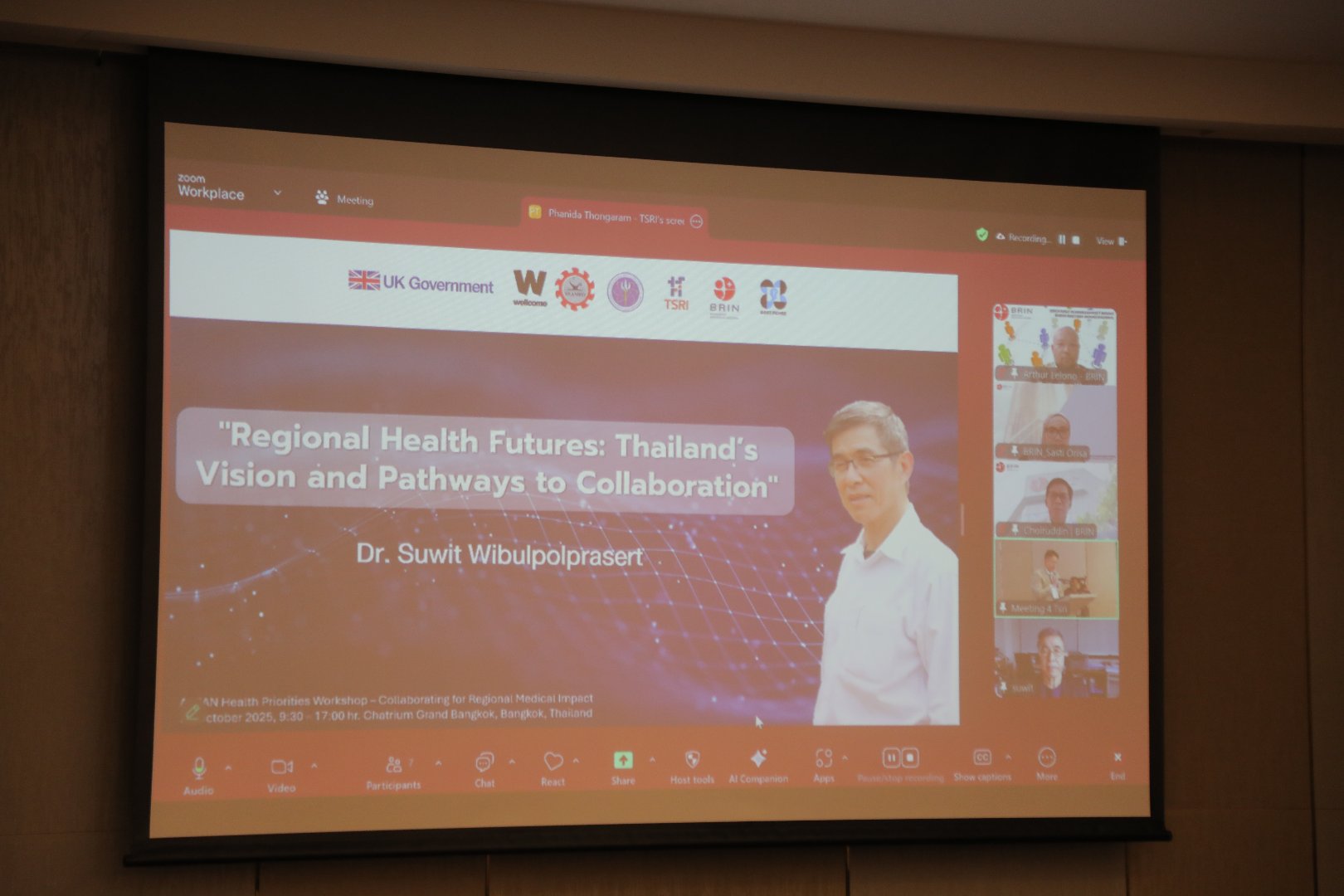
A keynote presentation titled “Regional Health Futures: Thailand’s Vision and Pathways to Collaboration” was delivered by Dr. Suwit Wibulpolprasert, Vice Chair of the International Health Policy Program Foundation (IHPF) and the Health Intervention and Technology Assessment Foundation (HITAF). The session highlighted that meaningful partnerships in ASEAN health research evolve through stages of coordination, cooperation, and collaboration, each grounded in trust. Dr. Suwit also emphasised the World Health Organization’s five key “P” pillars for strengthening health systems: Promoting Health, Providing Health, Protecting Health, Powering Health, and Performing Health.
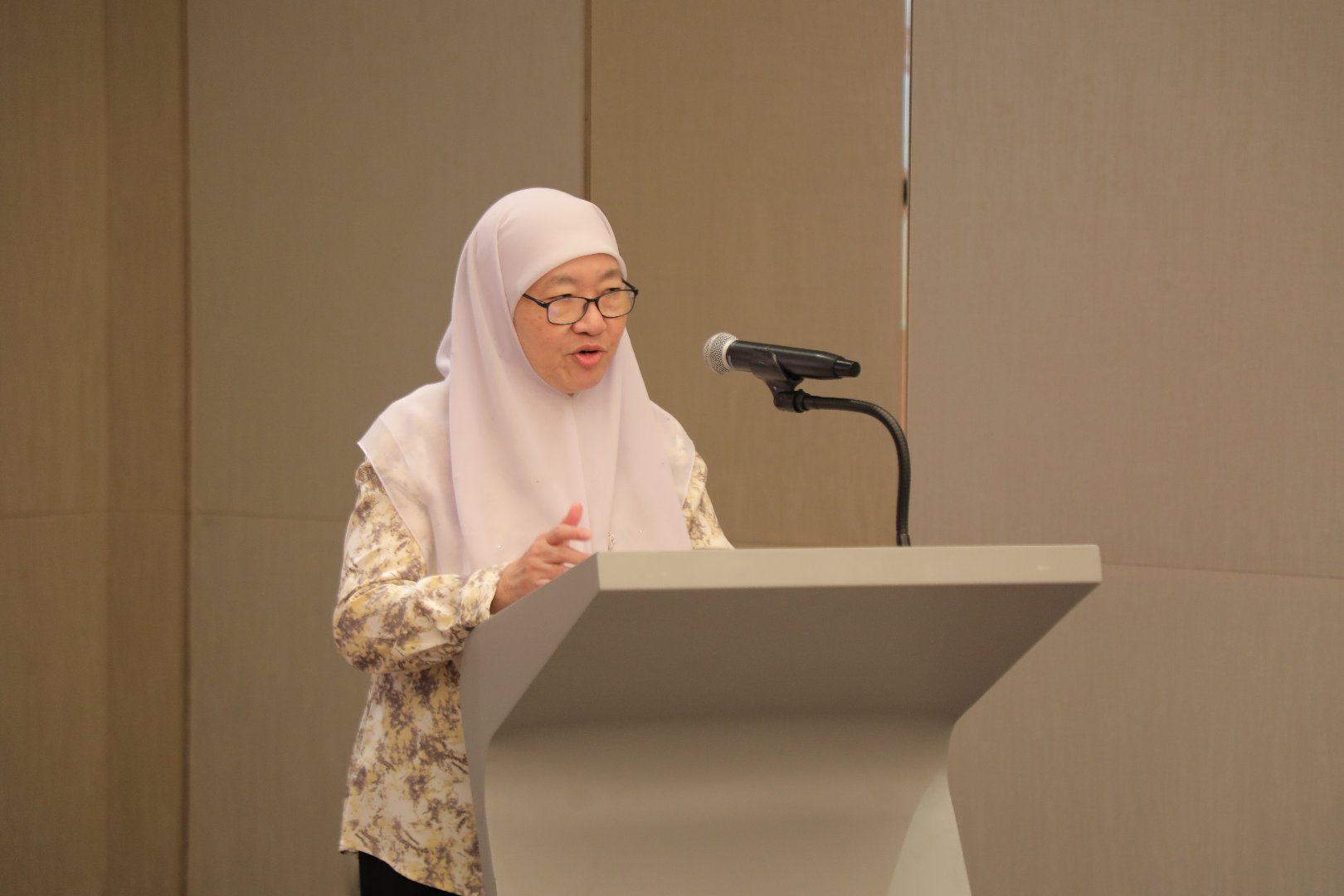
During the opening session, Datuk Dr. Habibah Abdul Rahim, Director of the SEAMEO Secretariat, highlighted the SEA DREAM Programme’s role in strengthening Southeast Asia’s research ecosystem and advancing regional collaboration as it prepares for its first Call for Proposals. Her message underscored appreciation for regional partners and reaffirmed SEA DREAM’s commitment to supporting regionally led health research.
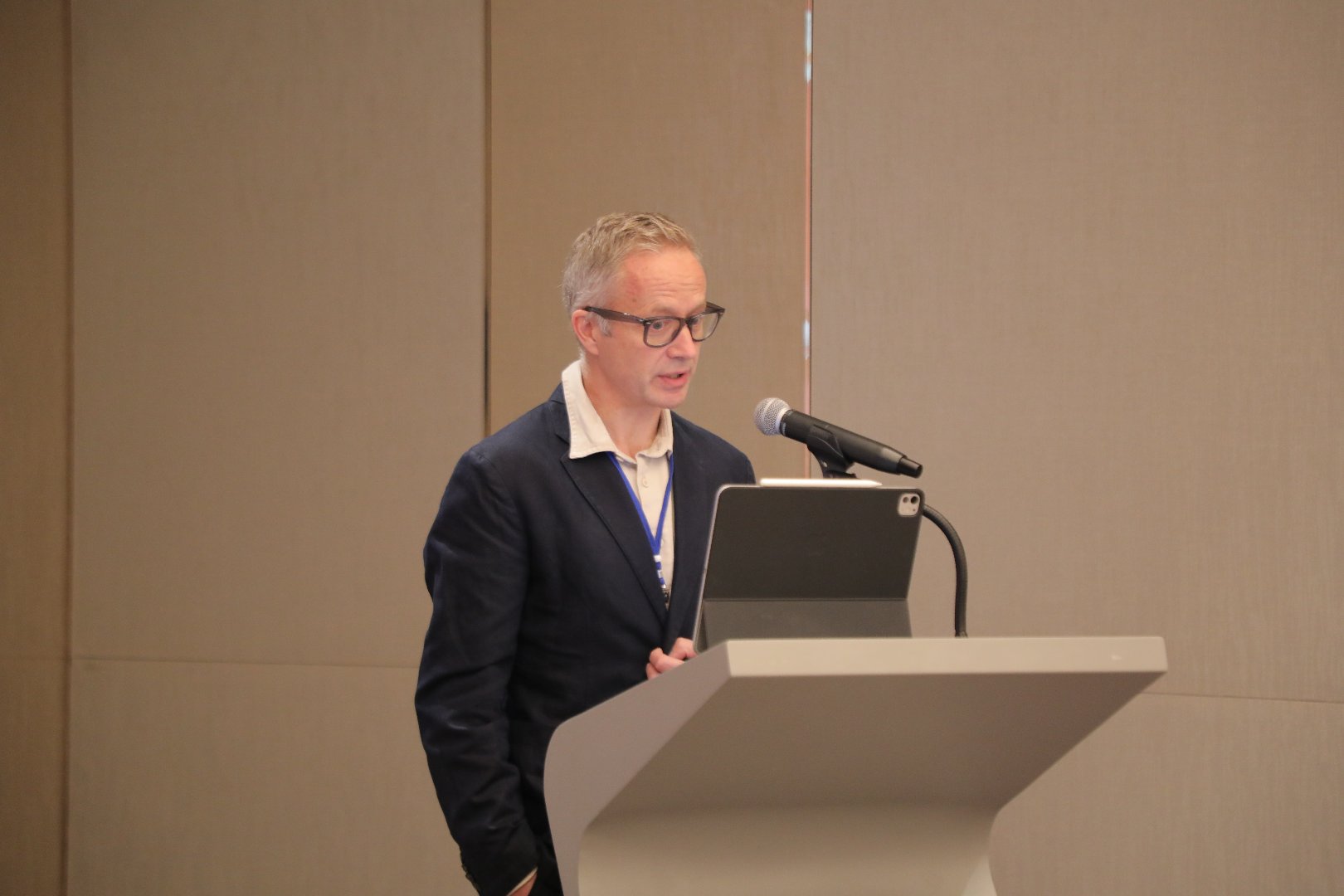
In his session, Mr. Jonathan Underwood, Research Ecosystems Lead at the Wellcome Trust, shared Wellcome’s role in the SEA DREAM Programme and its mission to support science that addresses urgent global health challenges. He highlighted Wellcome’s commitment to strengthening research ecosystems across Southeast Asia and underscored SEA DREAM as one of its major international initiatives. He also emphasised Wellcome’s focus on advancing equity throughout the scientific process, central to the Equitable Research Ecosystems team, as a way to drive meaningful and community-focused impact.
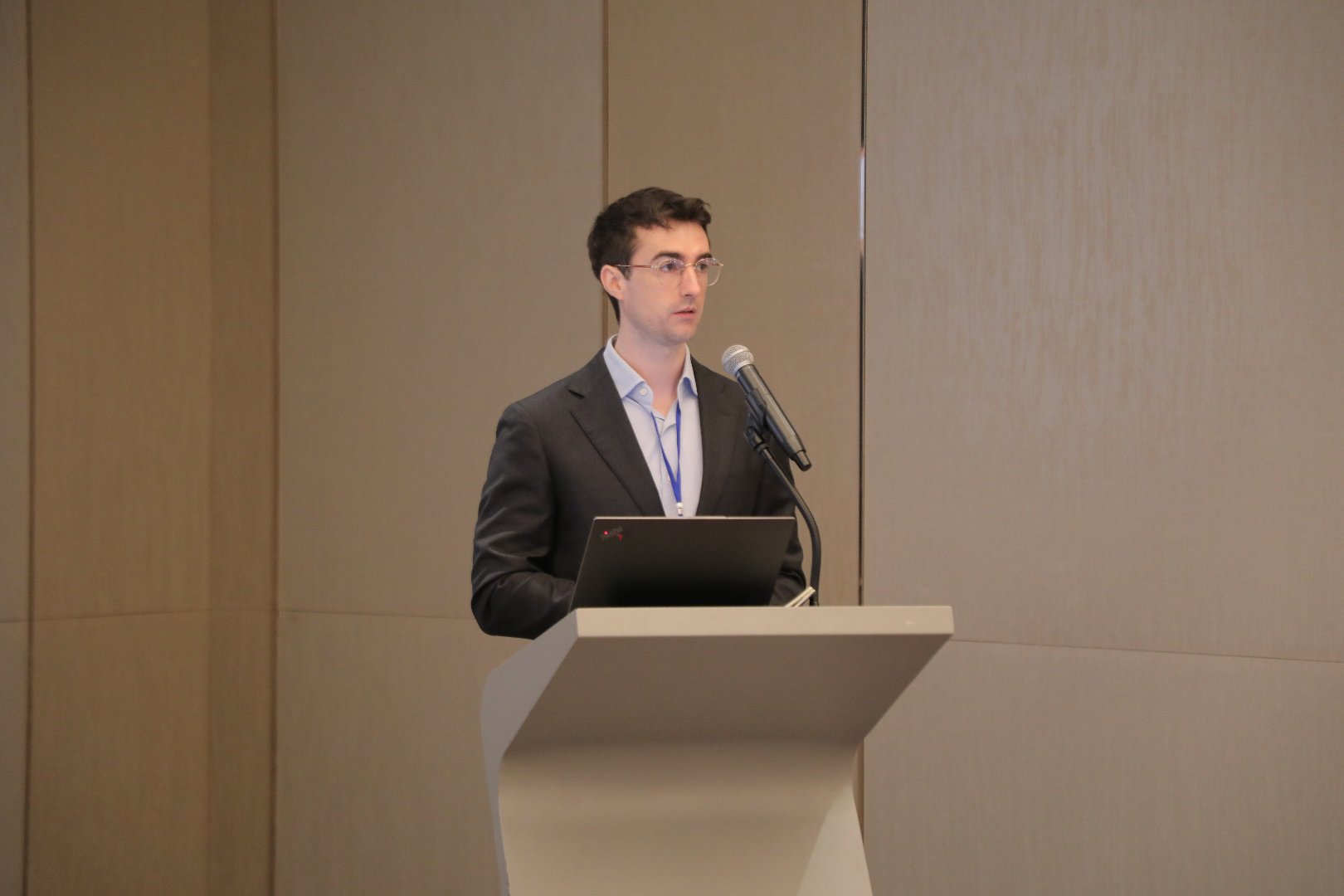
In his presentation, Mr. Ansgar Schaefer, Head of the SEA DREAM Programme, introduced key details of SEA DREAM and its connection to the workshop. He outlined the programme’s priority research areas, infectious diseases, climate change on health, mental health, and health systems and access to care, and explained the eligibility criteria, which require consortia of three to five organisations from different Southeast Asian countries, including at least one lower-middle-income country.
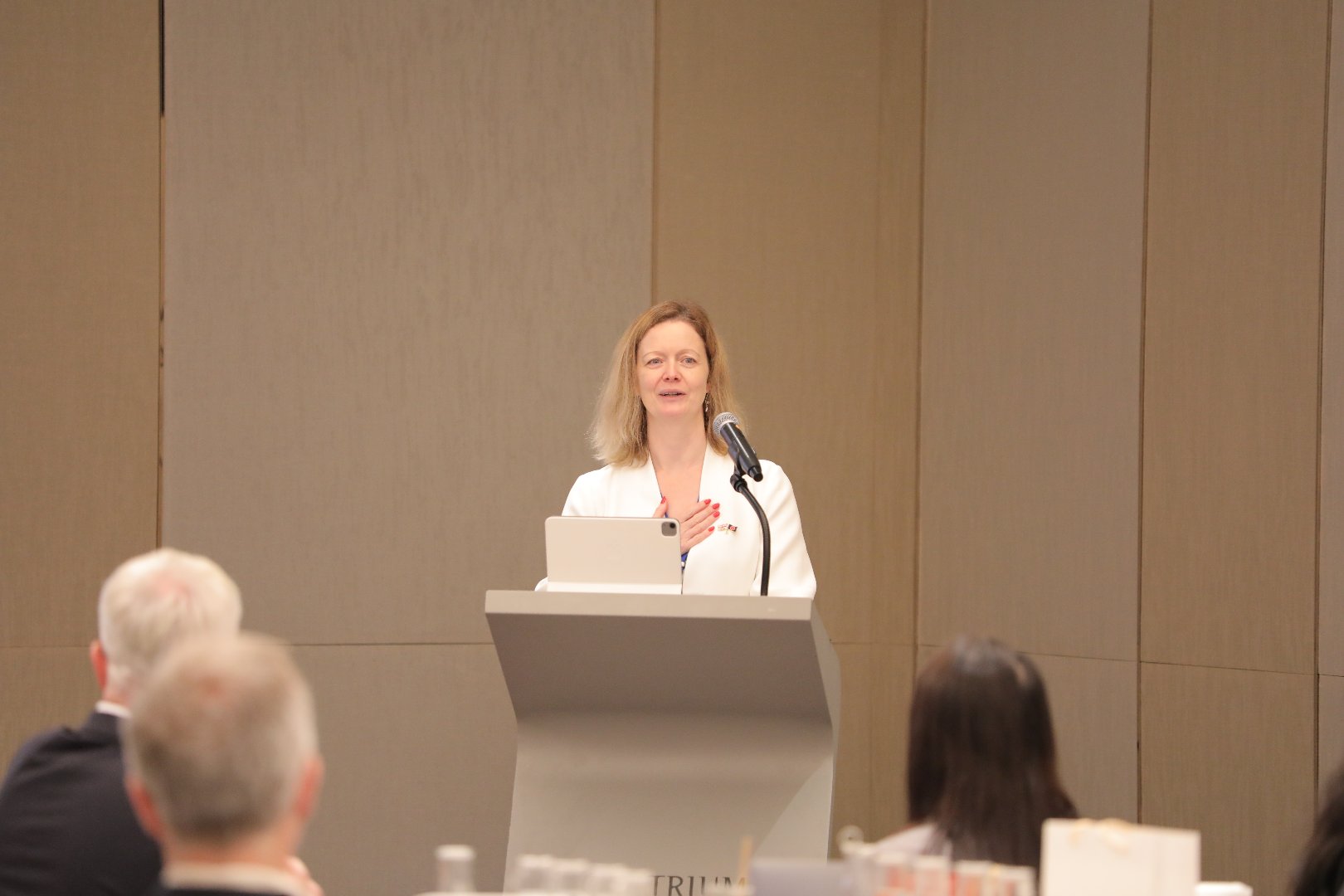
Welcome remarks were delivered by Ms. Helen Fazey, UK Ambassador to ASEAN, who expressed the UK’s support for regional collaboration in health research and to the SEA DREAM Programme.
The panel session, “National Priorities, Regional Pathways: Co-Creating the Future of Health Research,” brought together representatives from TSRI, BRIN, and DOST-PCHRD to outline their national health research priorities and pathways for collaboration.
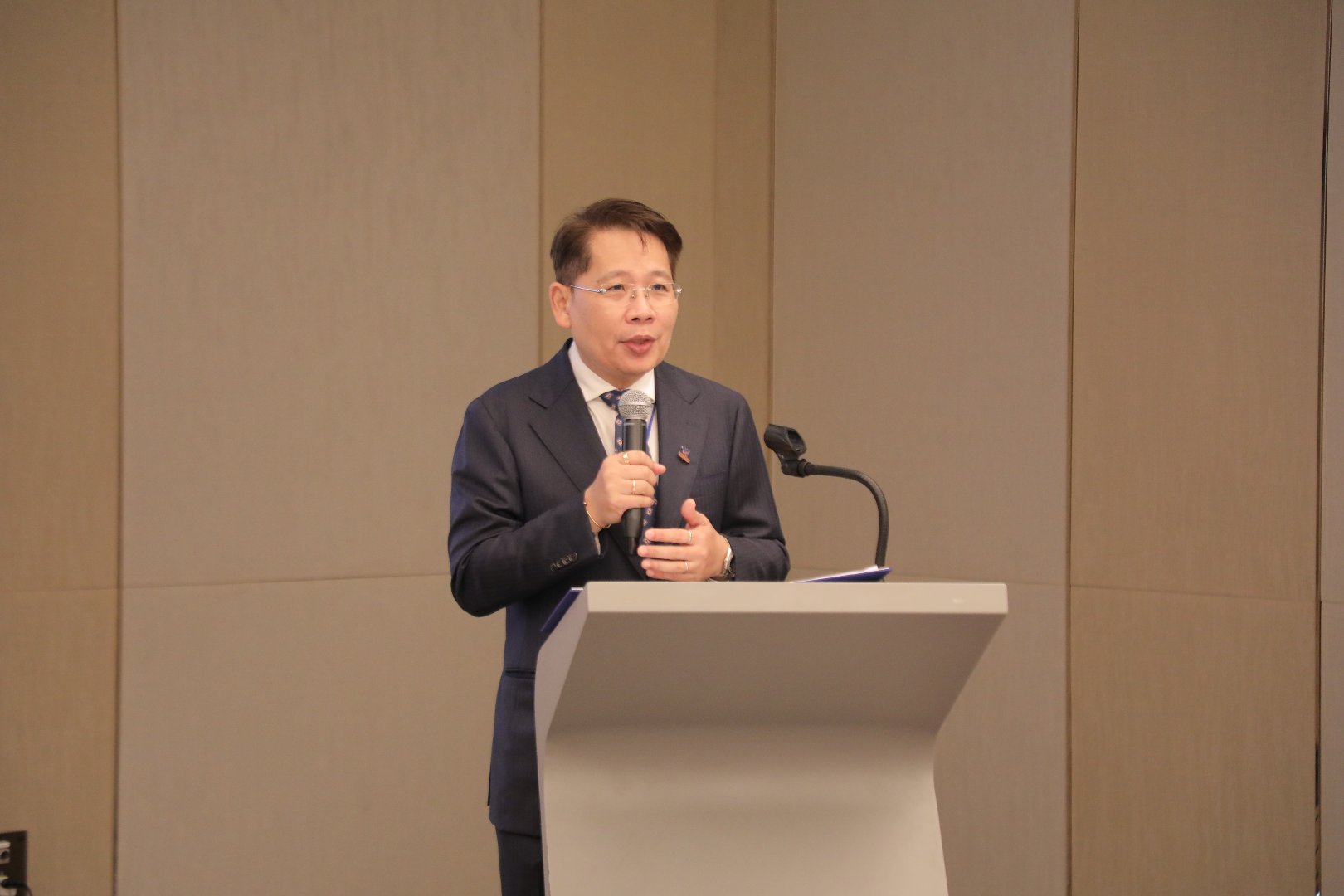
In the panel session, Professor Dr. Vissanu Meeyoo, Vice President of TSRI, presented Thailand’s Vision (2018–2037), affirming that “Thailand is eager to play its part in global collaboration, committed to supporting solutions for a better world.” He highlighted the Science, Research and Innovation Plan (2023–2027) and its key strategic areas: health and medical sciences, smart agriculture and food technology, and emerging technologies, reflecting Thailand’s commitment to sustainable development, innovation, and regional partnership.
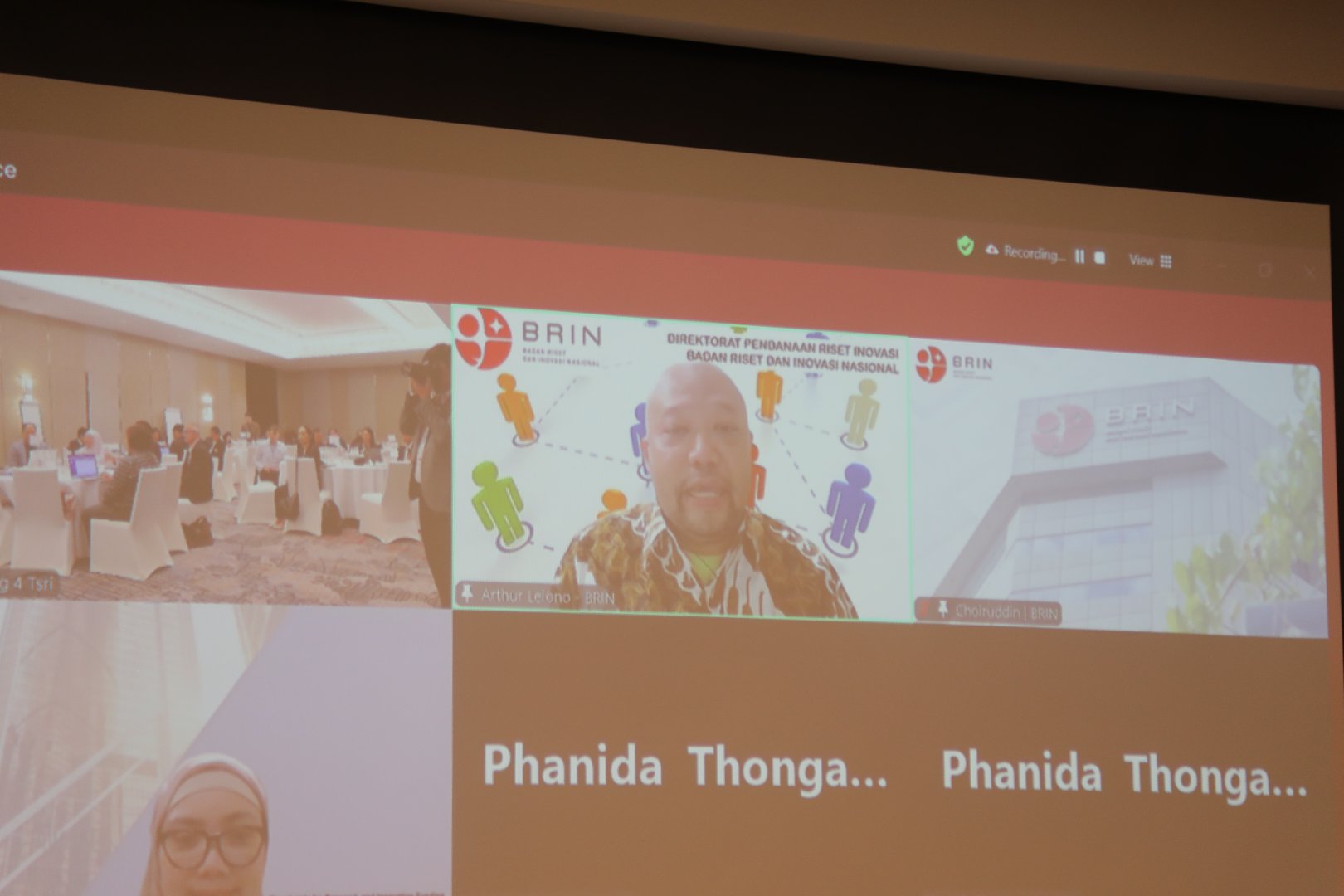
Speaking online, Dr. Raden Arthur Ario Lelono of BRIN introduced the Research and Innovation for Advanced Indonesia (RIIM) collaboration program, which strengthens partnerships between Indonesian researchers and regional and international funding agencies. He highlighted BRIN’s priority areas, in infectious diseases, mental health, health systems, and non-communicable diseases, reflecting Indonesia’s commitment to advancing research and fostering deeper regional collaboration. The meeting also included in-person participation by Dr. Katiman, Assistant Deputy for Research, Technology, and Industrial Partnerships at the Coordinating Ministry for Human Development and Cultural Affairs (PMK).
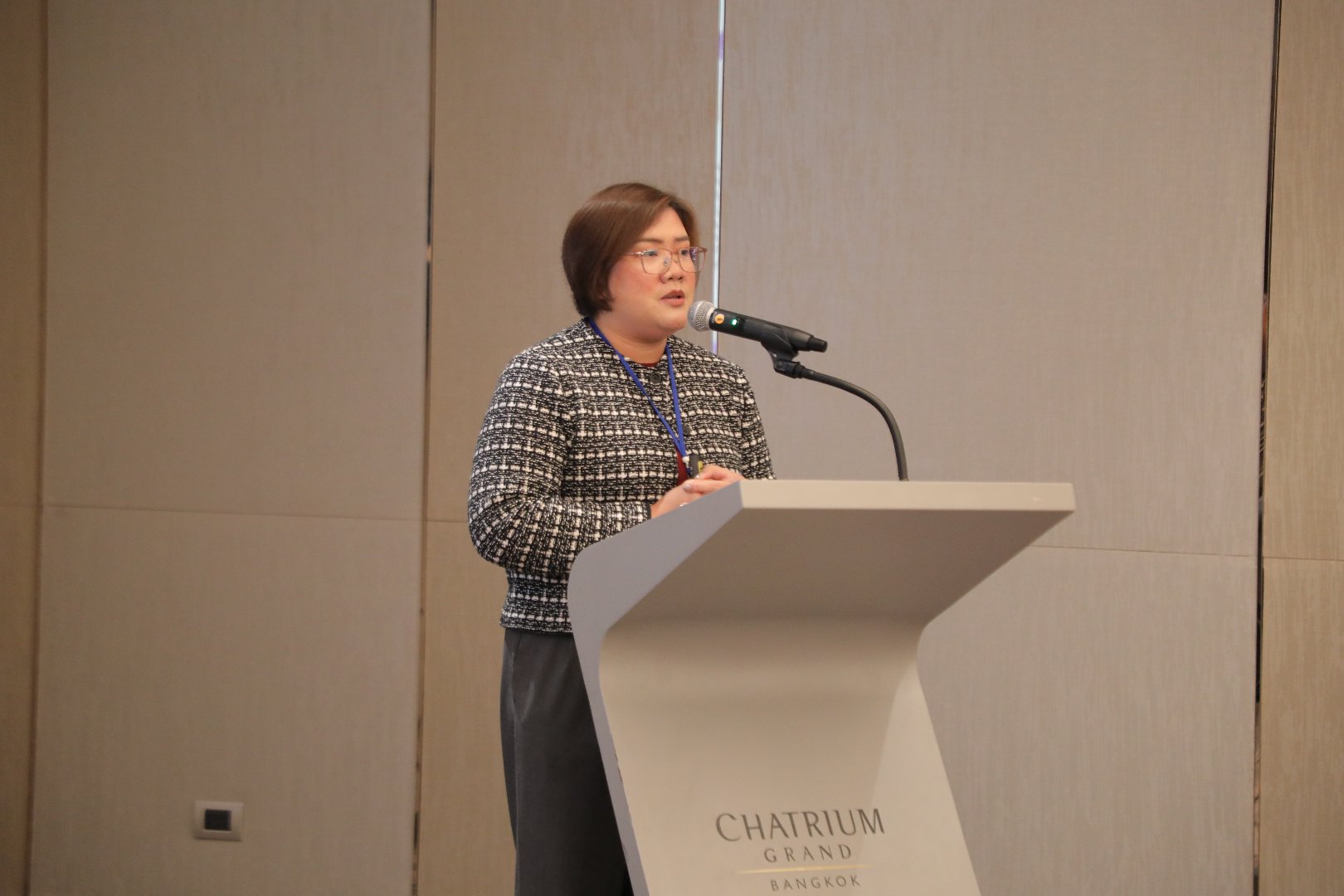
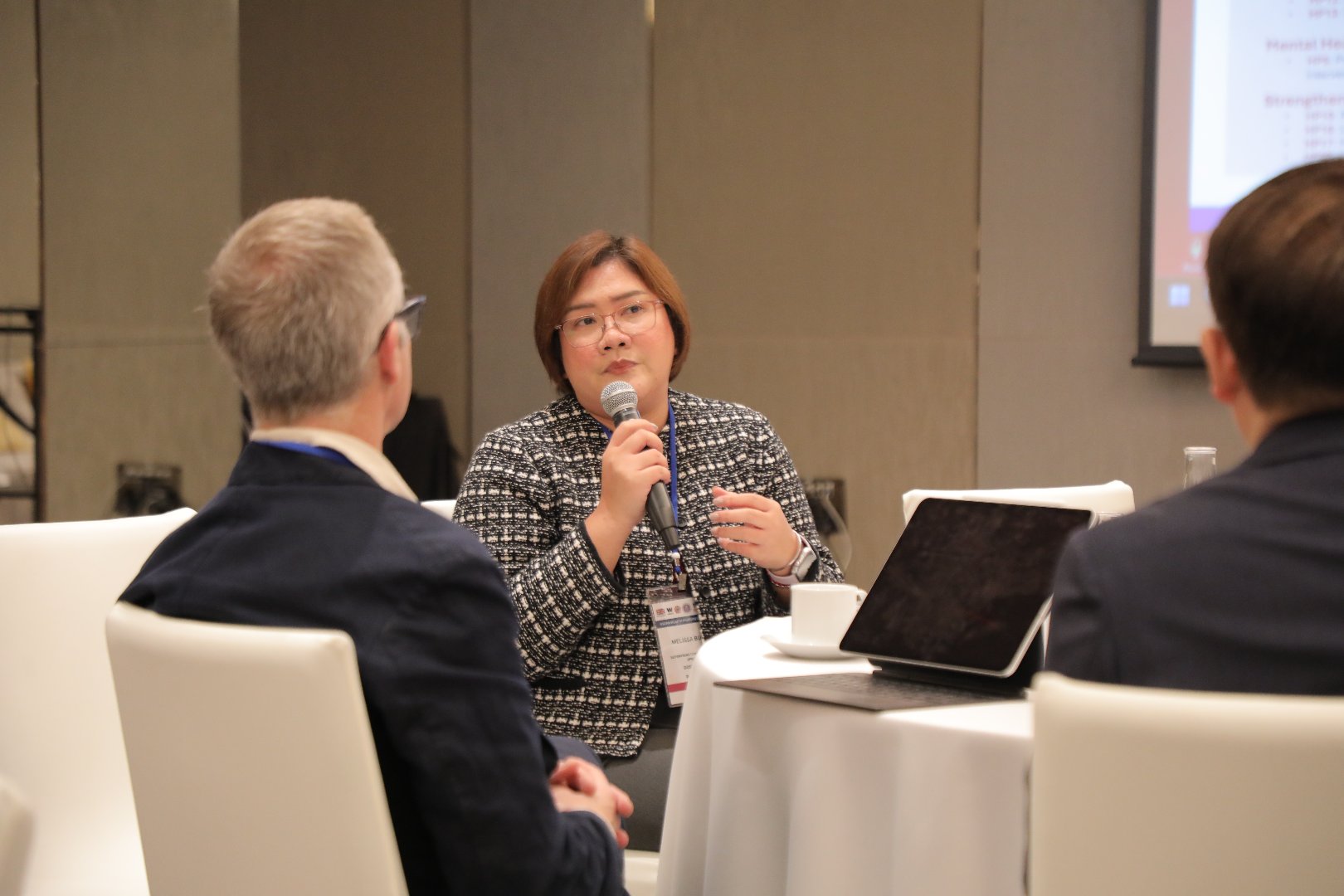
In the closing panel, Ms. Melissa Bulao of DOST-PCHRD presented the Philippines’ National Unified Health Research Agenda (NUHRA) 2023–2028, outlining priority themes such as disease management, health systems, mental health, vulnerable populations, health security, and food and nutrition. She also introduced the country’s first Health Research Agenda on Disaster Risk Reduction and Climate Change Adaptation (DRR-CCA), highlighting focus areas including community resilience, climate adaptation, surveillance technologies, governance, service delivery, and mental health support during emergencies.
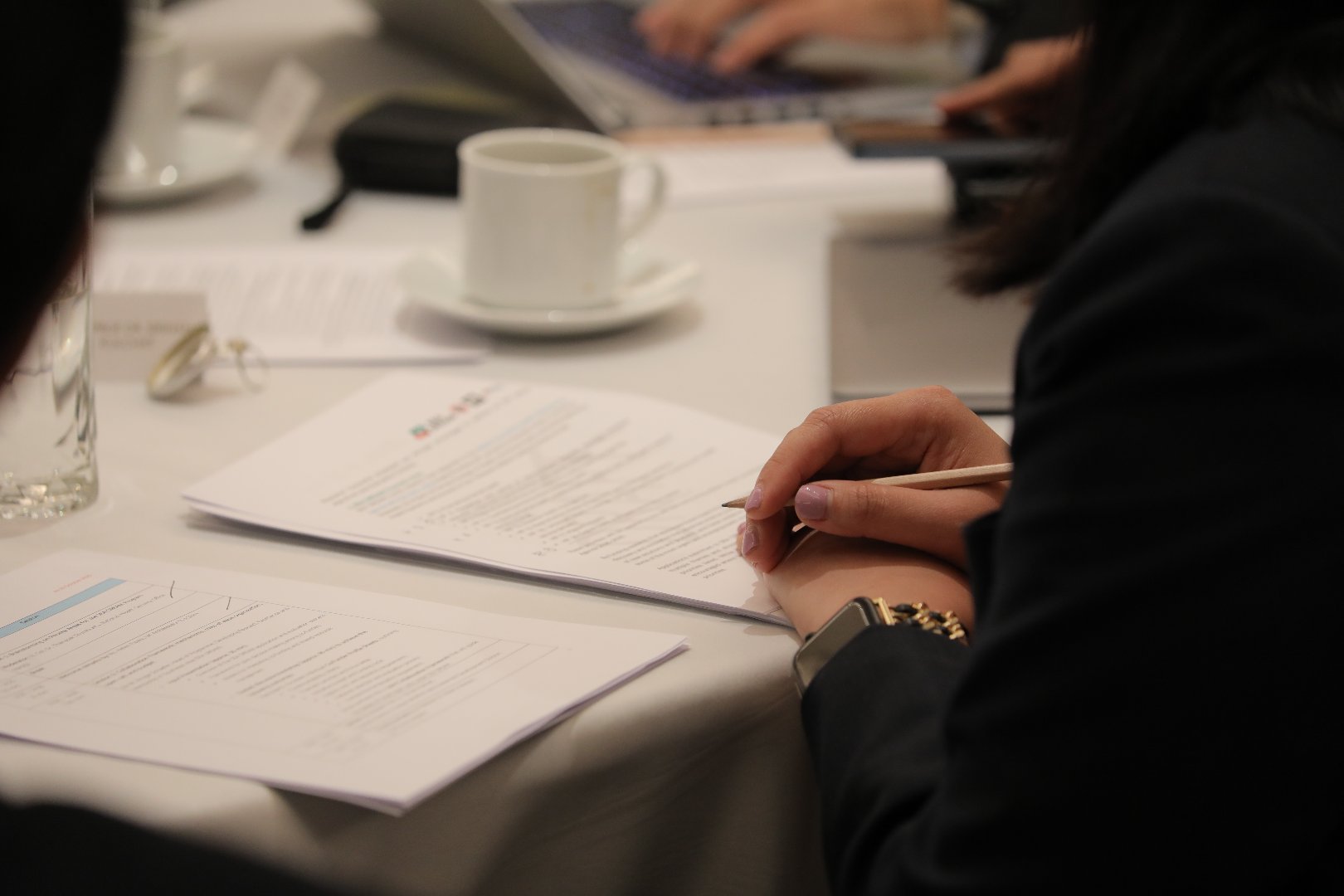
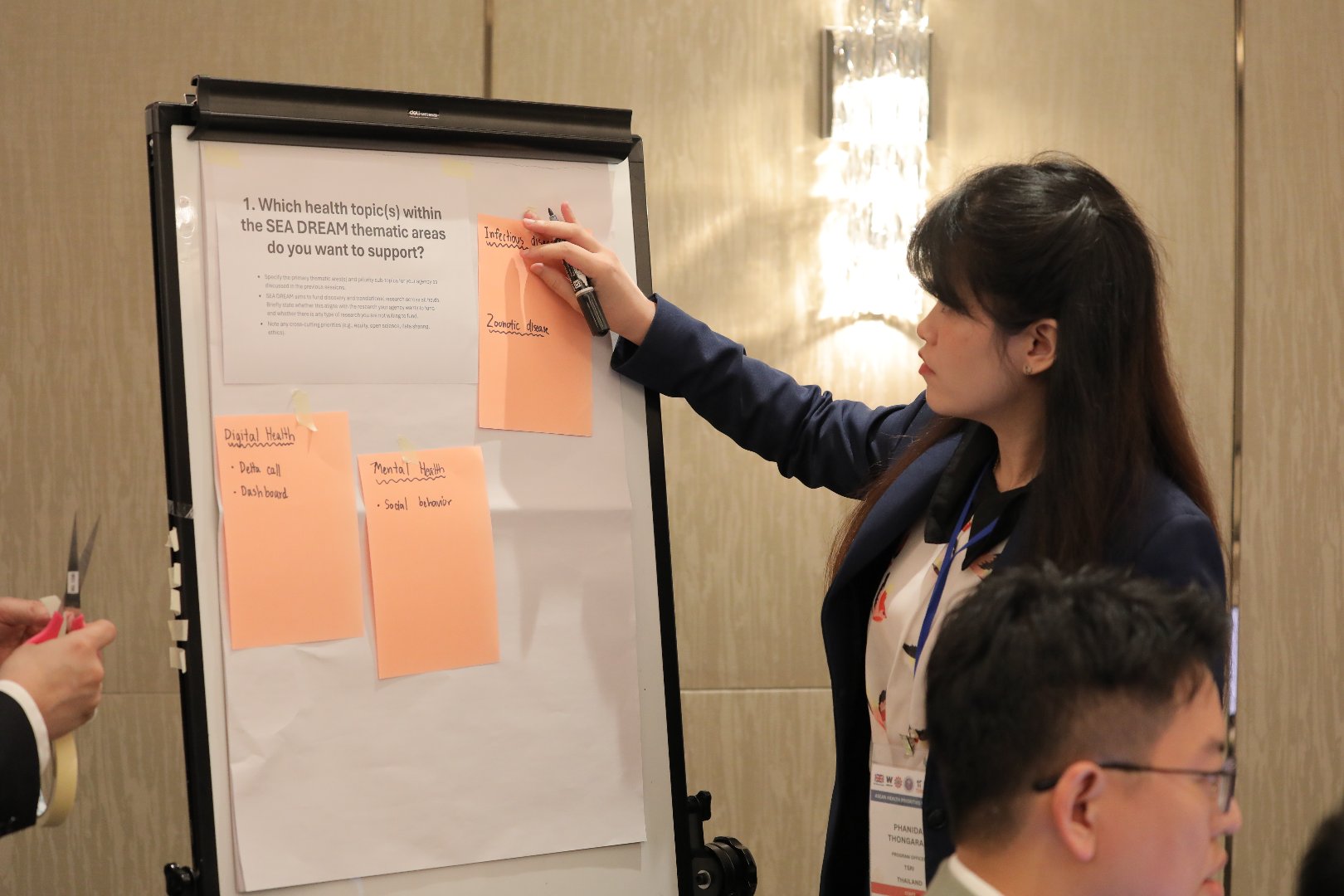

In the first breakout session, participants identified health research priorities from each organization as potential entry points for collaborative funding under the SEA DREAM Programme. DOST-PCHRD emphasized environmental health and climate change; BRIN pointed to communicable diseases, mental health, non-communicable diseases, environmental health, and health-related emergencies; while TSRI highlighted infectious diseases, climate and environmental health, mental health, and cross-cutting areas such as digital health. Together, these areas signal where multi-country research partnerships could be most impactful and mutually beneficial.
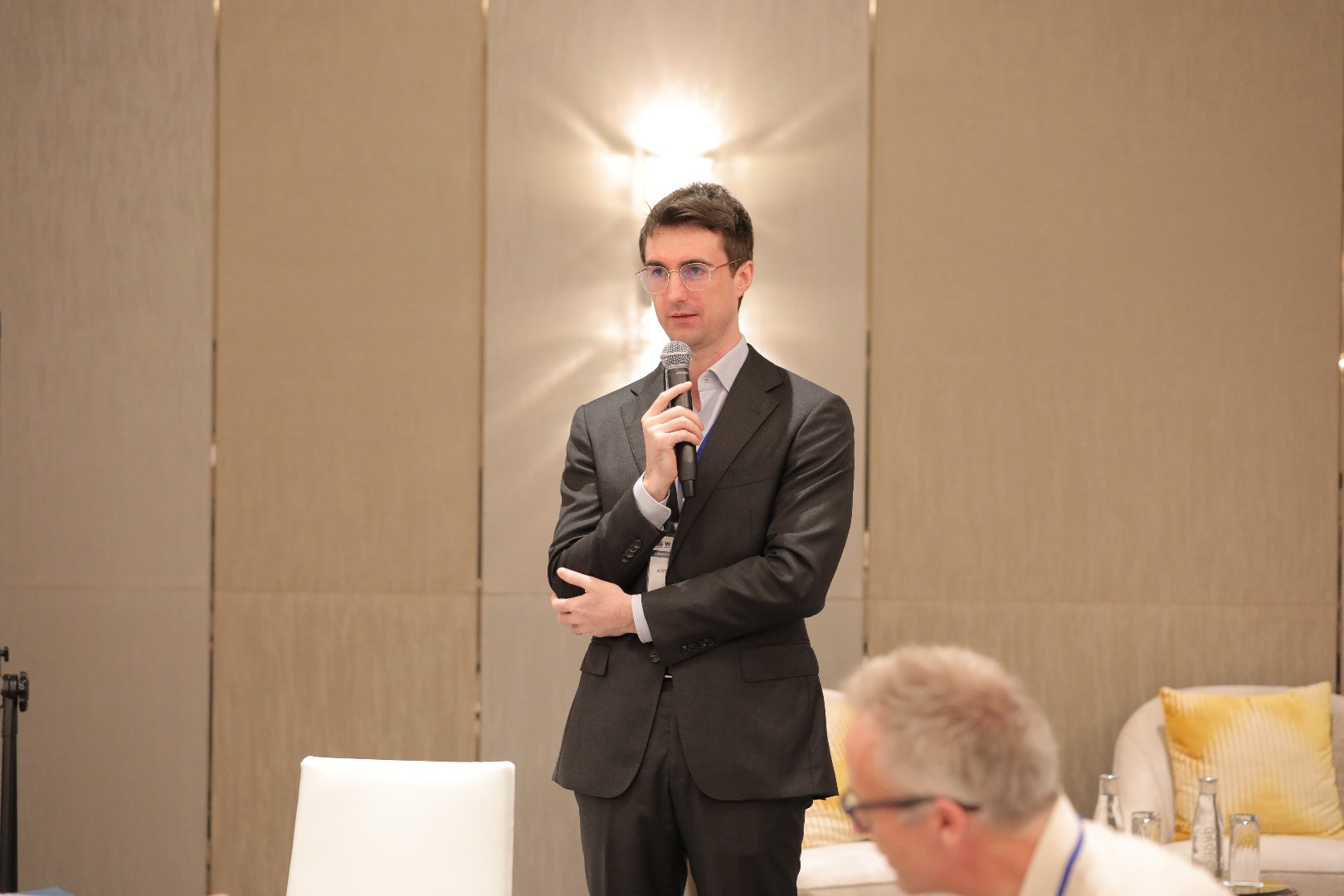
In Session 2, Mr. Ansgar Schaefer, Head of the SEA DREAM Programme, presented the proposed collaboration framework outlining how partner organizations can jointly support regional research within SEA DREAM. He provided an overview of the application and evaluation process, introduced models for integrating co-funding and shared resource management, and detailed a framework for joint decision-making among co-funders, establishing the operational foundations for coordinated multi-country collaboration.

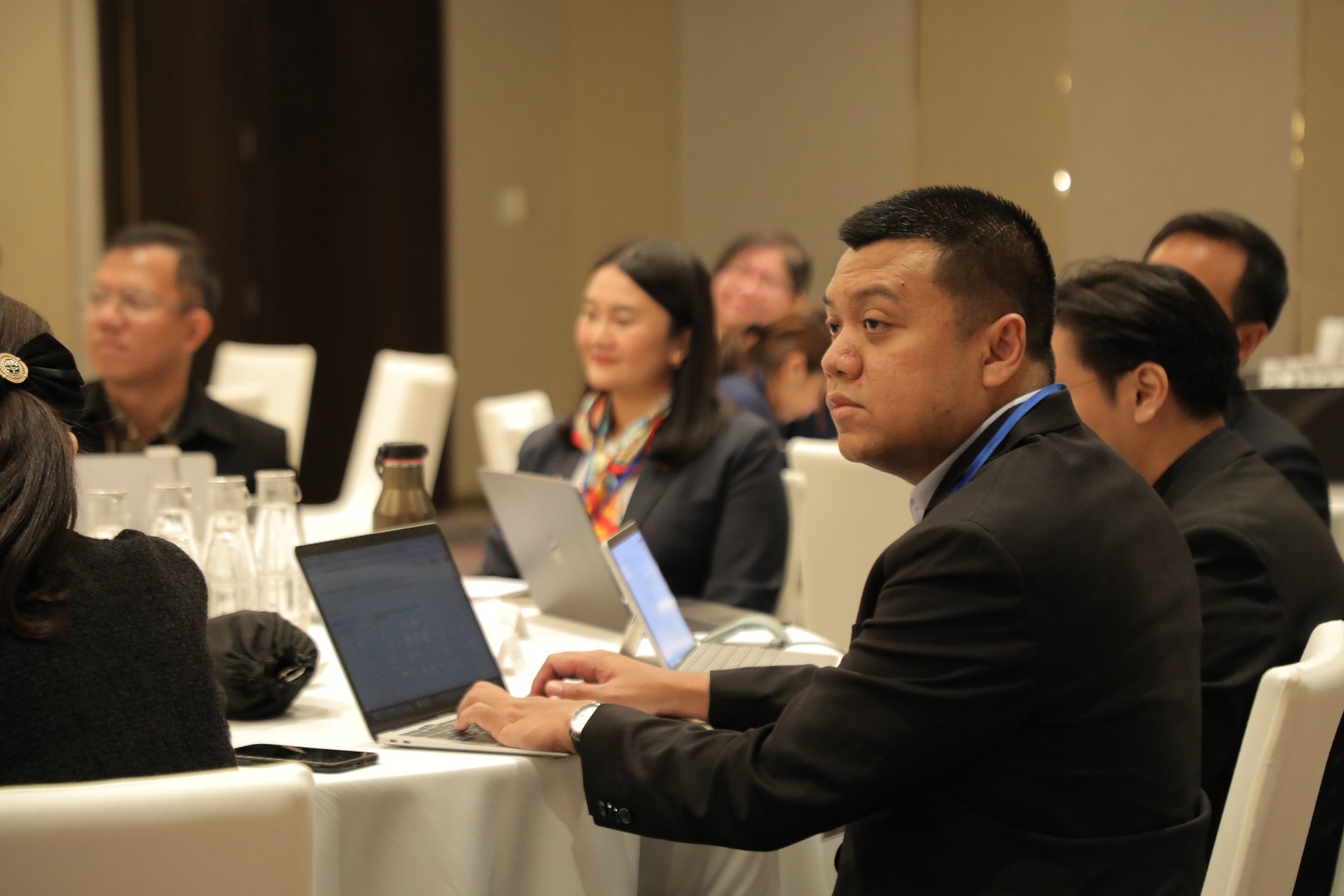
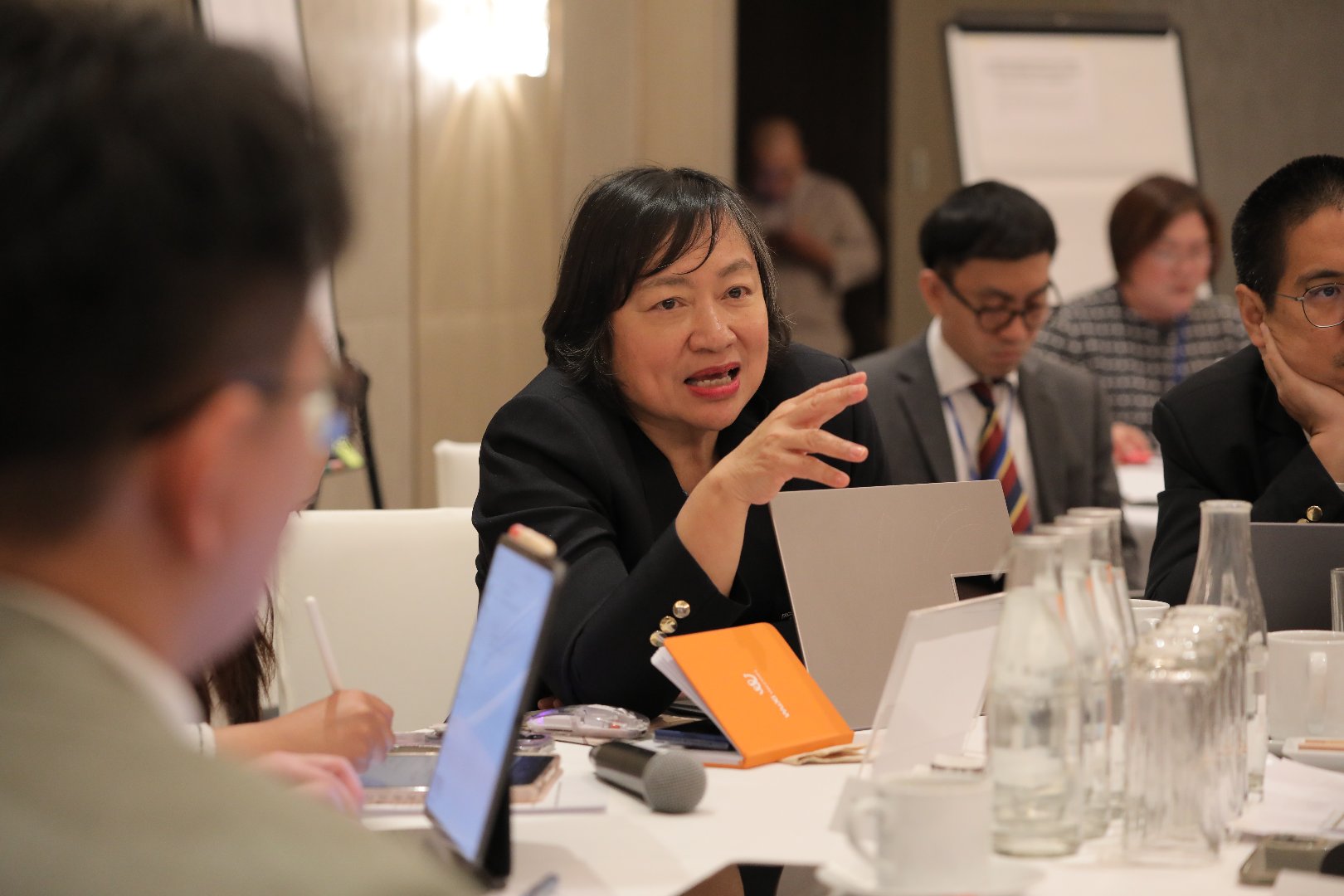
Participants then co-created their individual Co-Funder Profile Sheets, detailing each organization’s funding eligibility criteria, thematic priorities, indicative budget and funding cycles, eligible costs, regulatory requirements, preferred selection and evaluation processes, and partnership formalization needs. These profiles enabled a shared understanding of each agency’s mandates and constraints and helped identify practical alignment points for future co-funding and joint decision-making.
The workshop concluded with TSRI, BRIN, and DOST-PCHRD expressing interest in further exploring opportunities for collaboration and regional mechanisms to support health research. With initial priority areas mapped and potential co-funding pathways discussed, the partners are now better positioned to consider steps toward a possible coordinated regional approach to co-fund multi-country research collaboration within SEA DREAM, an encouraging move that reflects shared aspirations to strengthen Southeast Asia’s health research ecosystem.



Get In Touch
Subscribe To
Our Newsletter
Stay up to date with our latest funding,
news, events, and announcements.